
yusufi
yusufi kapadiya , gujarat

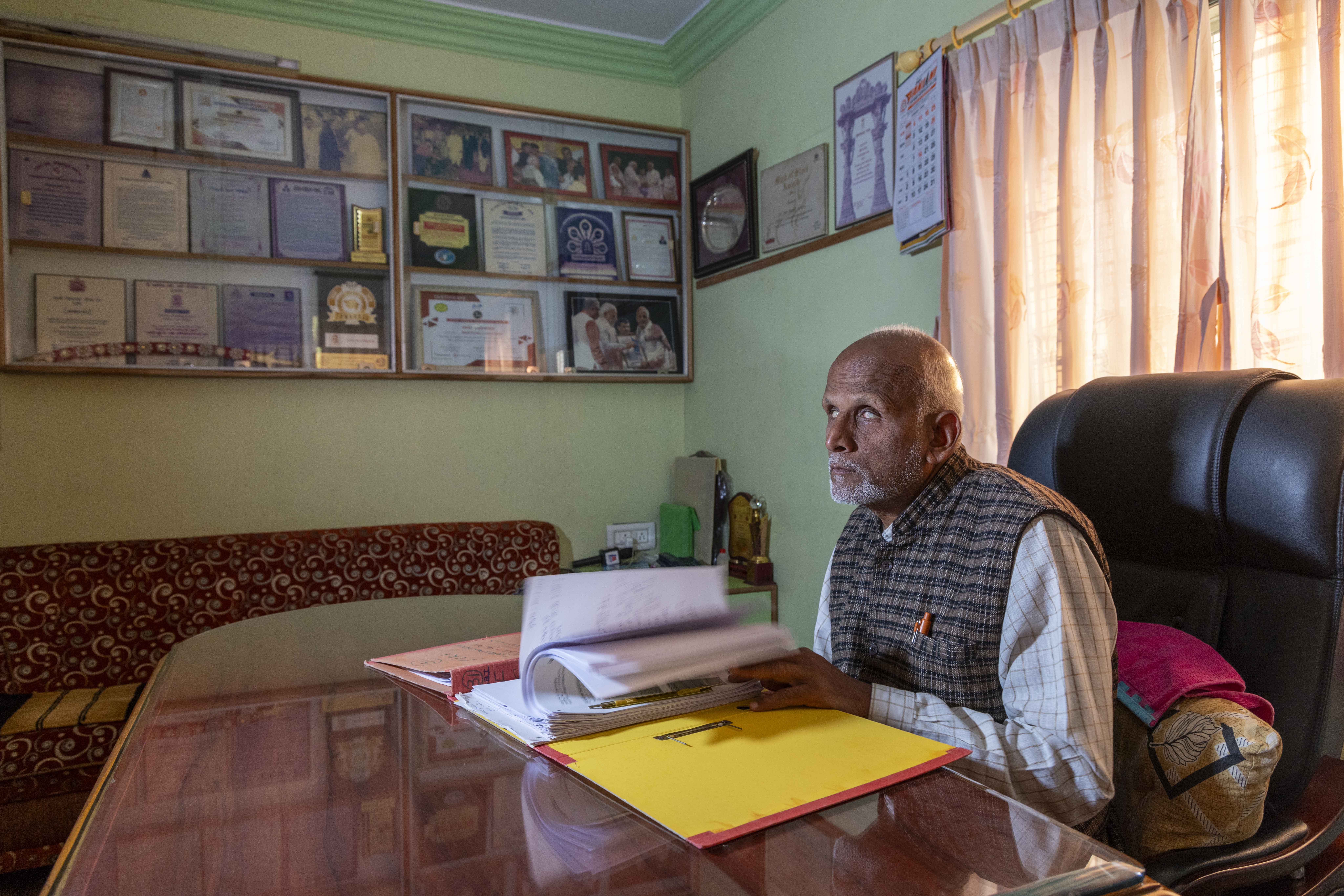
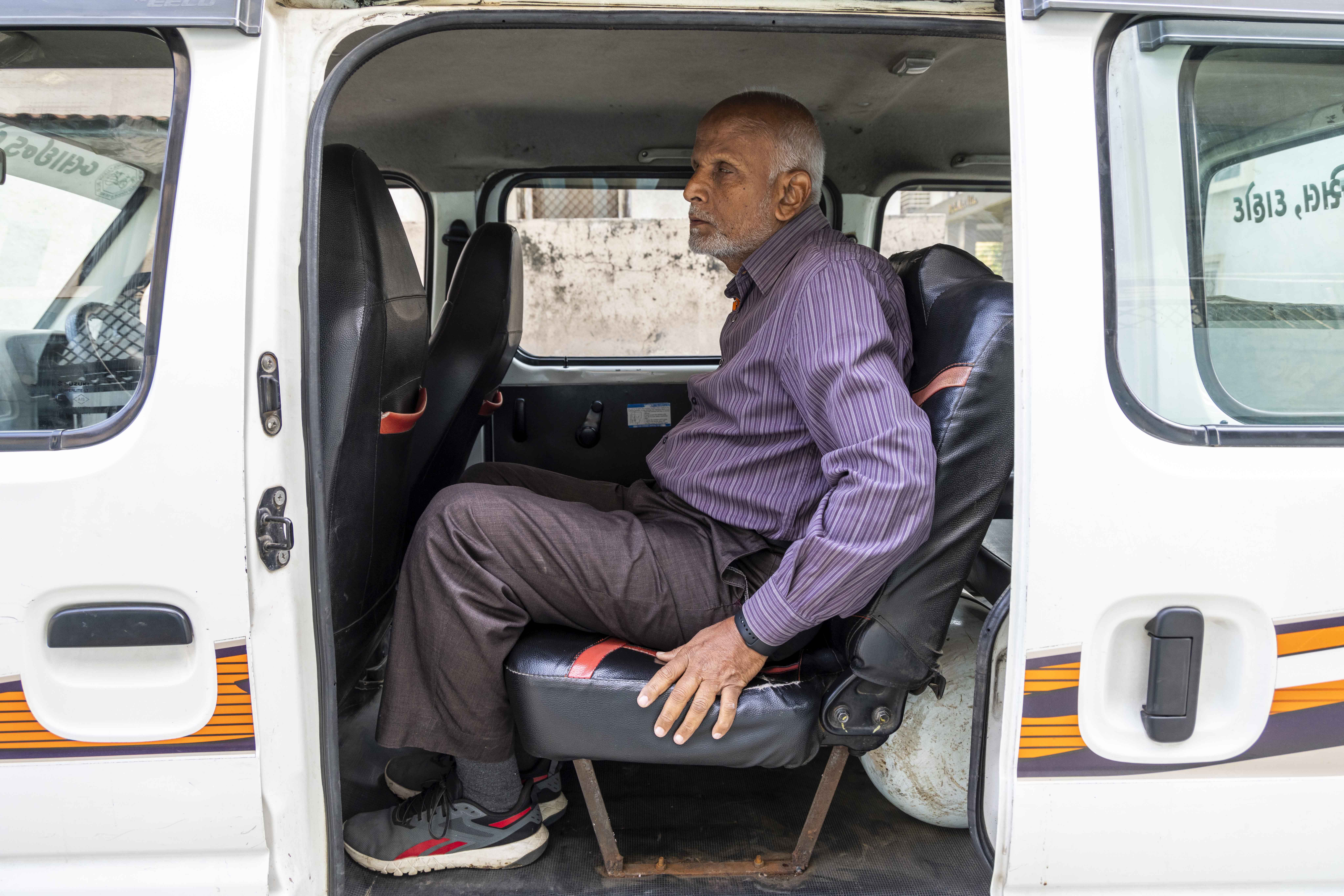
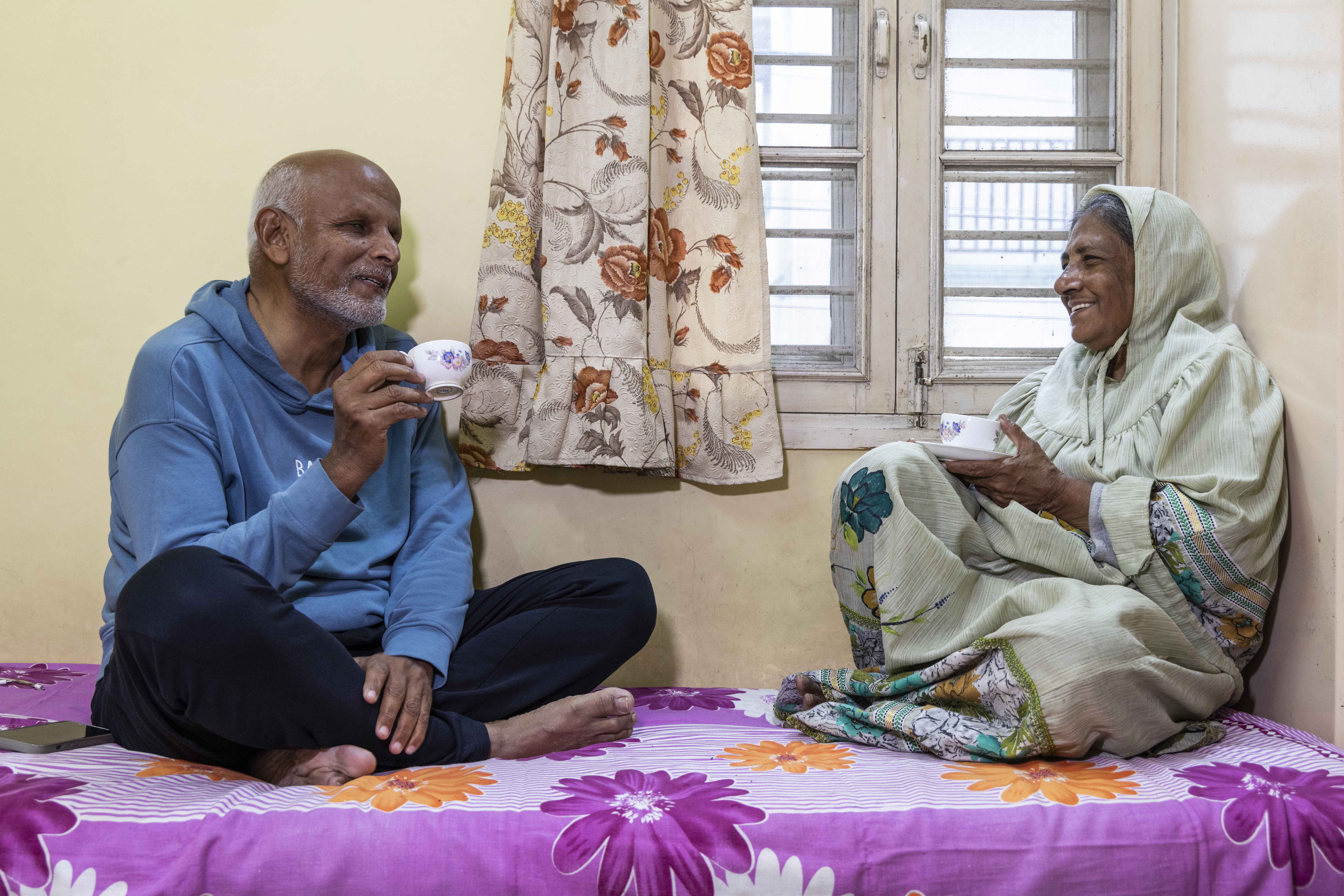

“My struggles while writing my Grade 10 exams motivated me to help others with disabilities”
He was born on Christmas Day. A day that reminds us of eternal love and the spirit of giving. Yusufi Kapadiya (62) from Dahod, Gujarat did indeed grow up to be a philanthropist serving thousands of persons with disability (PwD).
Yusufi’s father, Fakhruddin Kapadiya, was a cloth merchant, and his mother Memuna, a homemaker. He, his two brothers and two sisters studied in the government high school in Dahod. Life was running smoothly when Yusufi, who was around 10, started experiencing problems with his vision. Retinal detachment caused complete blindness, despite Fakhruddin’s many attempts to get it treated.
You might have expected Yusufi’s education grind to a halt, for after all, what facilities could the Blind avail of in 1960s India? But, encouraged by his parents, Yusufi continued in the mainstream school. He would get his classmates to read aloud from his textbooks, memorise the lessons and prepare for his exams which he would answer with a scribe’s support. When he faced serious difficulties during his Grade 10 board examinations, it dawned on him how life could be even more challenging for PwD who didn’t have the support or resources he possessed. He not only completed school but also joined Navjivan Arts College where he did his B.A. and M.A. in Gujarati Literature. He joined the Government Basic Training College as a lecturer and worked there for about 30 years before retiring.
While working as a teacher, Yusufi also devoted himself to social service. Dahod in eastern Gujarat is largely a tribal area with limited access to education and healthcare. Yusufi realised that PwD in this region were doubly disadvantaged. Initially, he began working with the Dahod district branch of the National Association for the Blind (NAB). But since he wished to serve people with different disabilities, and NAB focussed on the visually impaired, he decided to create a new organisation.
In 2000, Yusufi established the Blind Welfare Council, through which he reached out to people with hearing impairment, cerebral palsy, and various other conditions including orthopaedic and intellectual disabilities. Over the years, he and his team have improved the lives of nearly 15,000 to 20,000 individuals through education, rehabilitation, and support services. They have provided essential assistive devices such as tricycles for people with mobility disabilities and artificial limbs.
One of the biggest challenges in the beginning was the lack of trained teachers to work with “children with special needs” (CWSN) as the official phrase goes. Yusufi therefore collaborated with the Rehabilitation Council of India to start a diploma training course in the region. This initiative helped train local people to become special educators. It also created employment opportunities while ensuring that CWSN received a good education. Gradually, more people joined this effort. Today, nearly 100 teachers have been involved in this work, and with the support of the government, around 2,000 to 3,000 teachers are working in the field of special education in the region.
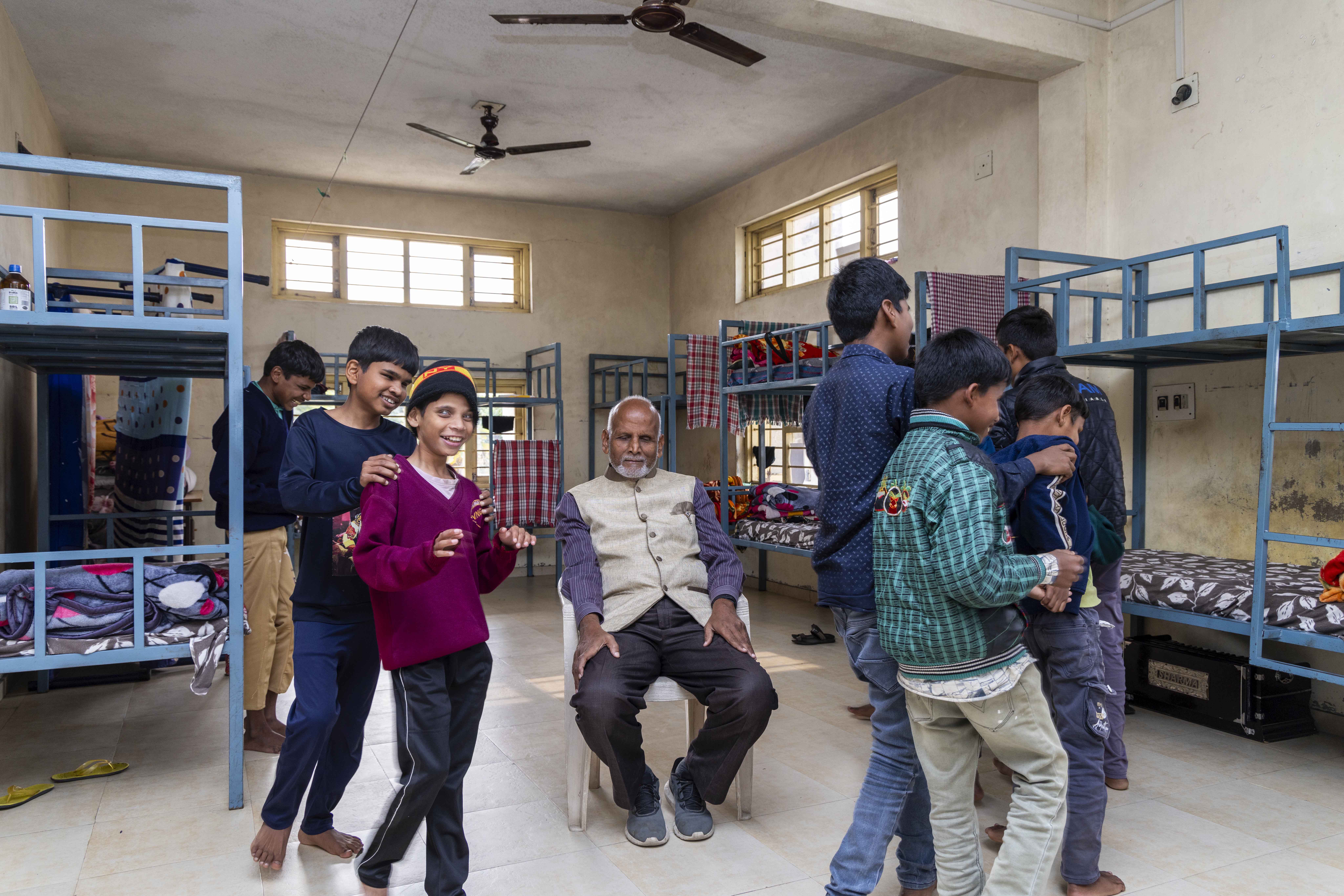
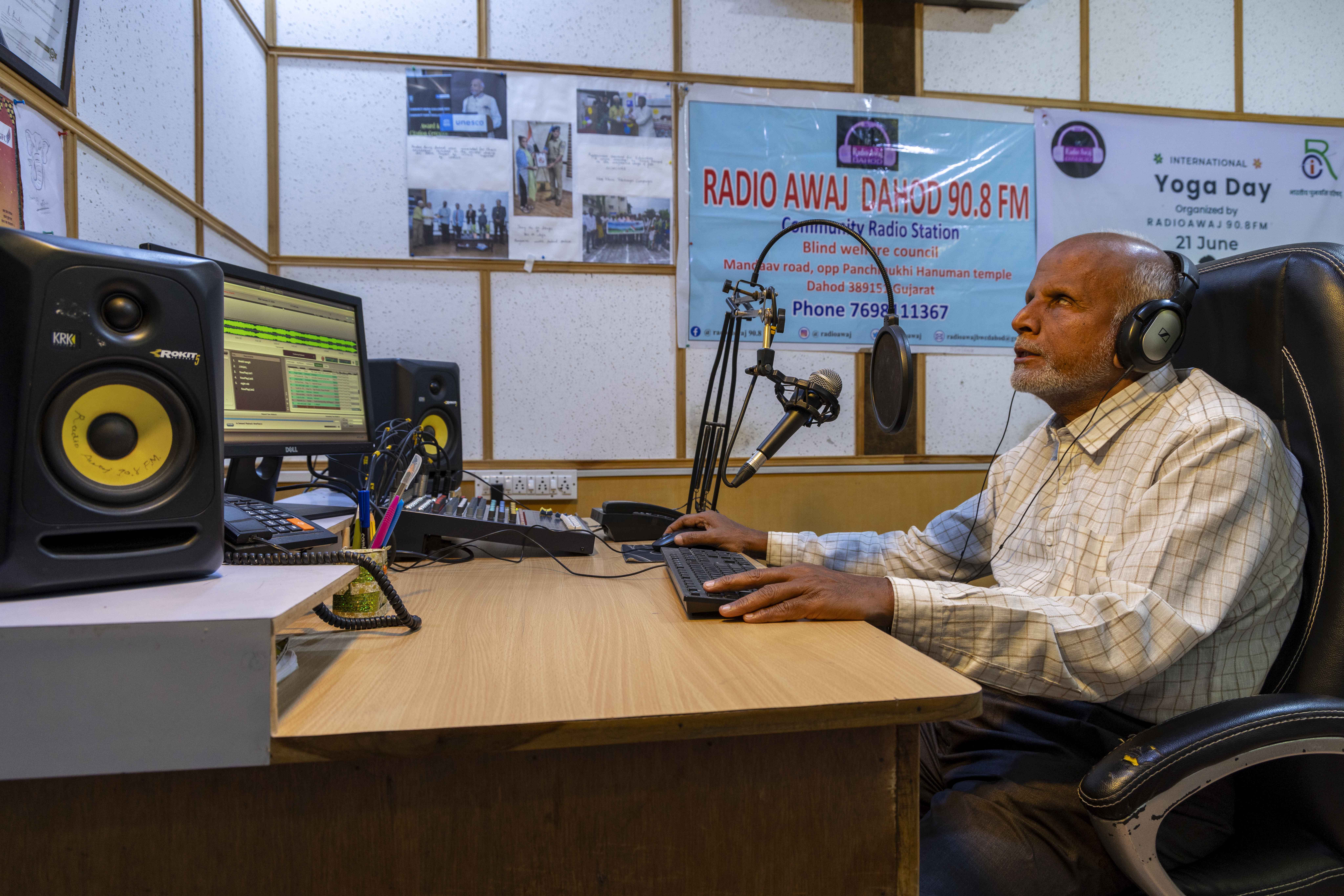
Yusufi also established educational institutions in Dahod: the MB Jain Blind School, started in 1990, which provides residential education for around 60 visually impaired children; and, under the Blind Welfare Council, a residential school for multi-disabled children, where about 100 children with multiple disabilities, including mental disabilities and cerebral palsy, receive education and care. He also started a training college to develop skilled manpower for working with CWSN. Through these initiatives, many unemployed people received training and employment, while the institutions gained dedicated staff members to continue their mission. To reach out to wider society, Blind Welfare Council also started an FM channel, Radio Awaj Dahod, a community radio station that works for the awareness, health, education and all-round development of the people of Dahod district.
Yusufi met his wife Salma during a community marriage gathering in Ujjain, organised by the Tehsul Nikah Committee. Around 150 people including parents were at the gathering, and the Committee members helped arrange the match. Salma, a Science graduate, used to give tuitions but stopped after their first child was born. Their daughter Tasneem, who recently got married, has graduated in Pharmacy while their son Hussain did his MBBS and is a practising doctor in Dahod. Fakhruddin died in 2017, and Memuna, in 2021 during the COVID-19 pandemic.
Yusufi Kapadiya continues to dedicate his post-retirement years to managing and guiding the institutions he founded, bringing light to the lives of innumerable PwD.