
suhaniben
suhaniben kishanbhai , gujrat

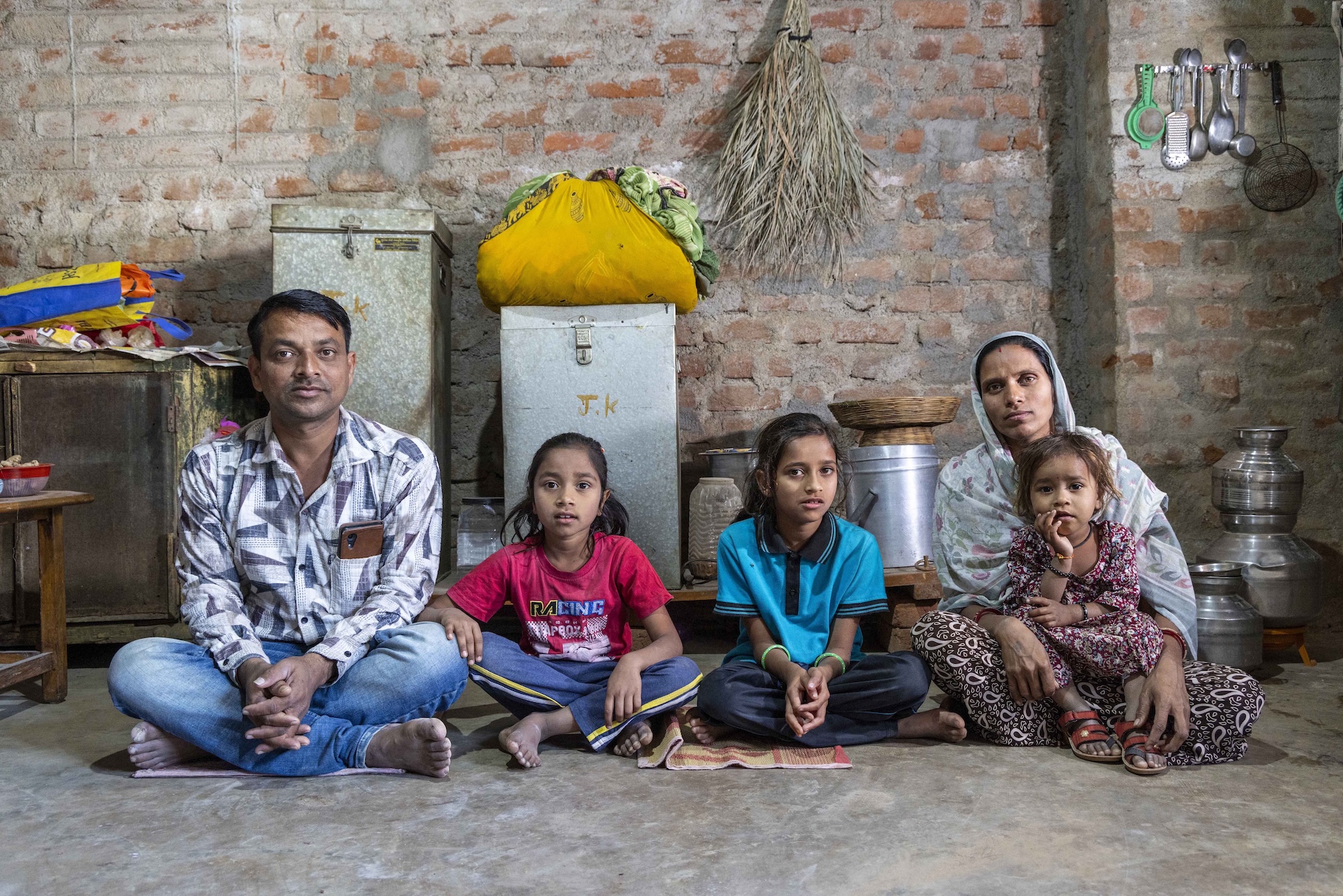

“I like playing games with my friends. My teachers help me learn at my own pace”
Do you remember playing the traditional game of ‘five stones’? If not, you may be an urban child of the digital age. For the benefit of the uninitiated – you start by throwing up a stone in the air, picking up another from the ground, and catching the first stone in the same hand. You repeat the step with a progressively increasing number of stones. This game of skill, which has names in practically every Indian language, is apparently native to several cultures around the world! In Gujarati it’s called ‘theekari’ and it’s one of the favourite games of 10-year-old Suhaniben, the eldest of three daughters of Kishanbhai (42) and Jyotikaben (35) who belong to the Rathwa tribe and live in Bariya Falyu hamlet within Moti Dumali village in the tribal-dominated Chhota Udaipur district.
Kishanbhai works as a caretaker in a boys’ orphanage in the village and his wife is a homemaker. He says that from an early age Suhaniben’s development was slower than other children of her age. Signs of intellectual disability (ID) showed up in her delayed speech and weak powers of comprehension. She joined the local government school. Kishanbhai mentions a kindly Class 3 teacher, Bhavnaben, who was very understanding and allowed Suhani to learn at her own pace. Jyotikaben patiently helped her daughter learn to manage her daily regimen, perform simple domestic tasks, and develop confidence.
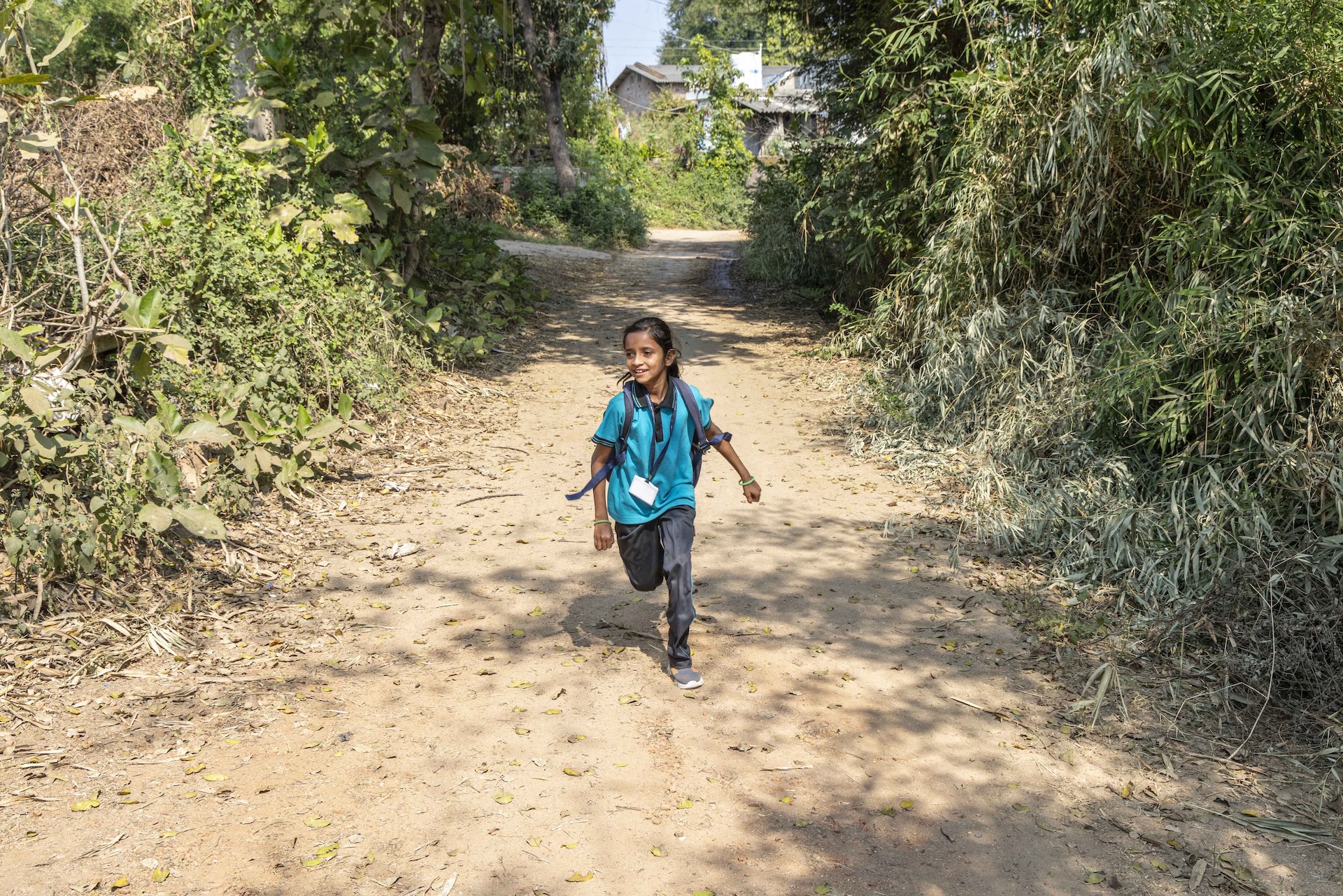
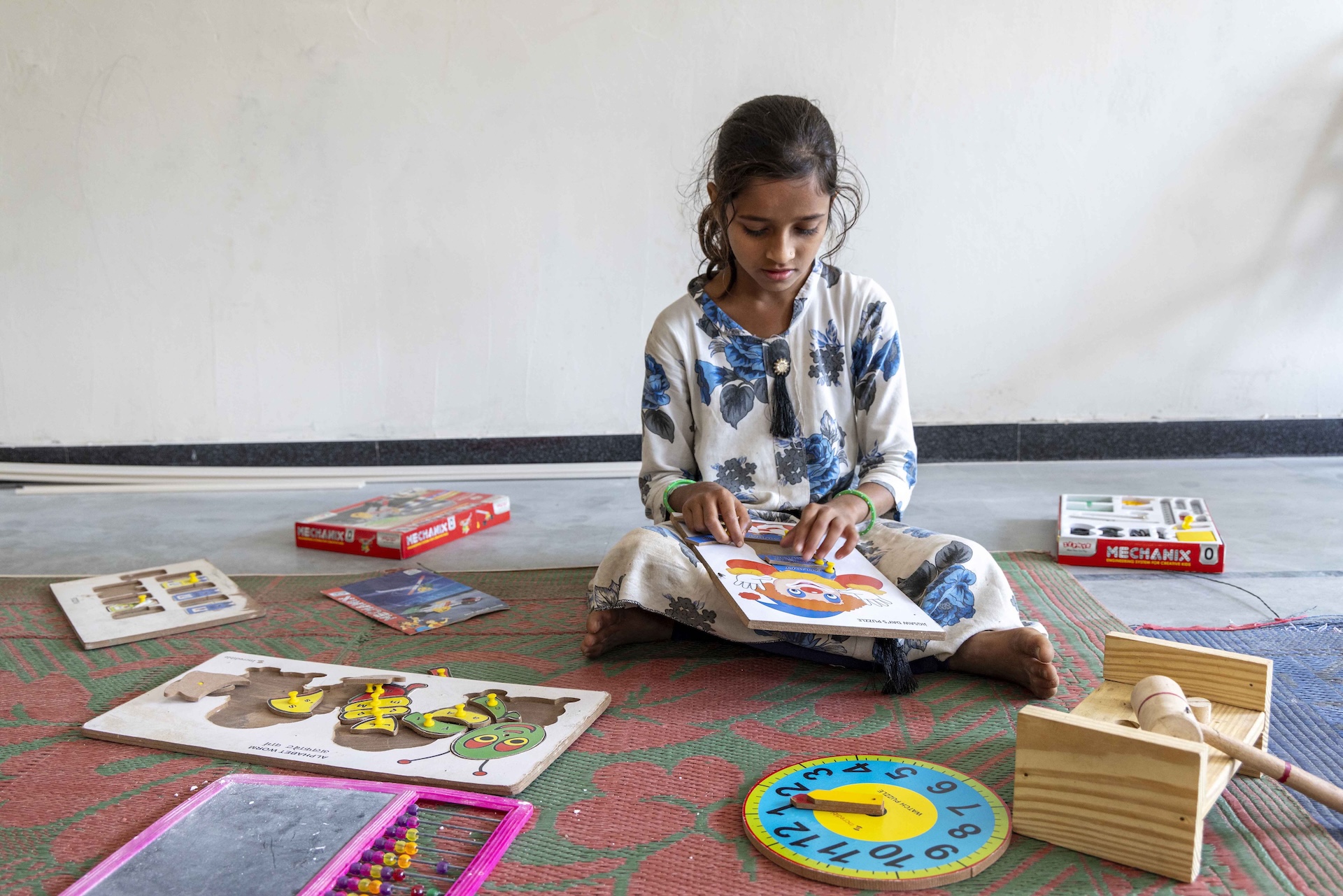
This confidence was very much in evidence when our EGS interviewer chatted with her in Gujarati. He found her cheerful and expressive. When he asked her “How are you?” she answered, “I am happy.” And which school does she go to? “Government school Dumali, Class 4,” was her prompt reply. “I enjoy studying very much.” Her current class teacher is “Rajesh-sir”, she said, adding warmly, “He is fond of me.” Her ID hasn’t affected her social interaction in school. When asked if anyone troubled her she said confidently, “No. I get time to play as well, which I enjoy. My close friend is Shivani and I play pakkad-dav (run and catch) with her.” She also plays the game of ketla-re-ketla with her classmates: they keep revolving in a large circle, and when a number is called out, such as 2 or 5, they have to instantly split into smaller groups of the exact same number, and the slow ones who couldn’t fit into a group have to exit the game.
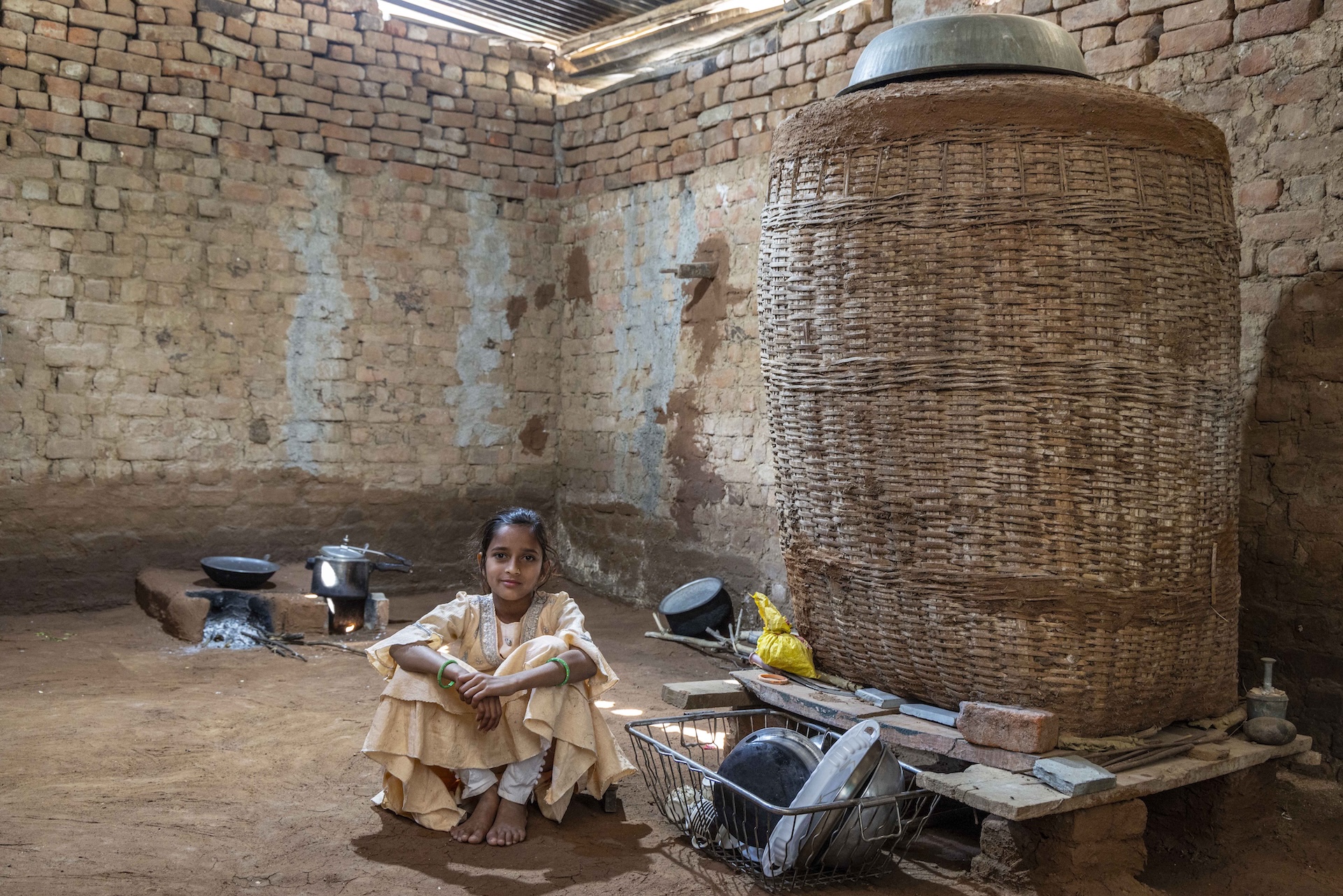
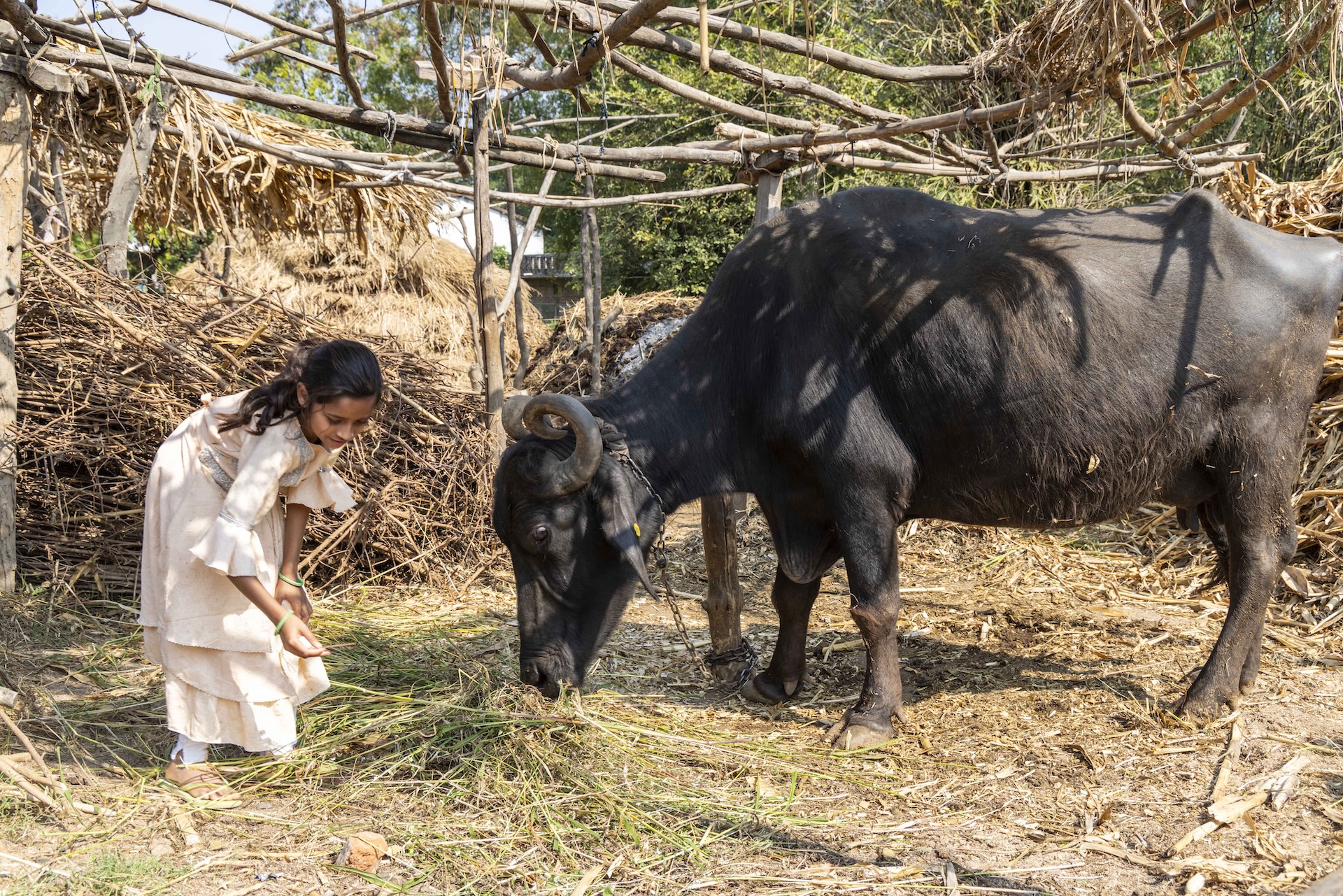
When she gets together with her neighbourhood friends she likes playing theekari with them. At home she watches cartoons on her father’s mobile when she is not helping her mother with chores such as washing clothes and kitchen utensils. She enjoys cooking. “I like making my favourite rotla and shak (roti and sabzi),” she says, “but I don’t like rice.” She likes going out and travelling to other places. “I went to Vadodara, and also to Bodeli where I had fun staying at my aunt’s house,” she said. “I enjoy train journeys the most.” What delights her the most? “When someone gives me a new frock!”
Suhani shares a close bond with her two younger sisters, Riya (6) and Preshaben (2.5). When asked what she would like to be when she grows up she said, “A nurse or a teacher.” Kishanbhai says he plans to enrol her from Class 6 onwards in Punyavat girls’ school, about 5 km from their home, to further support her development. The unwavering encouragement of her family and teachers will surely guide Suhani to an independent and fulfilling future.