
prodeep
prodeep dowarah , assam

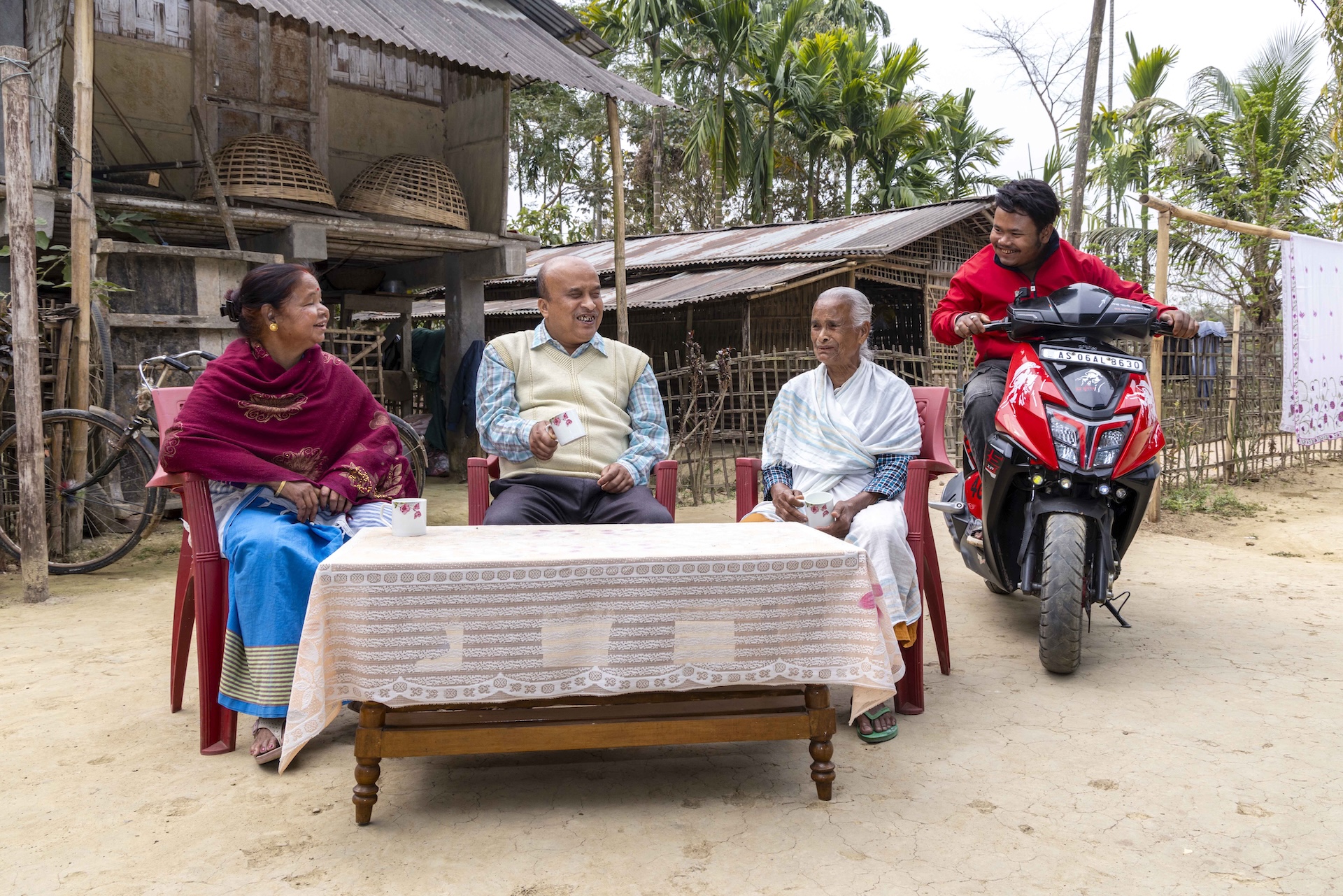

“Disabled persons must receive mobility support, and also the support of their families”
Prodeep Dowarah from Dibrugarh, Assam did not know he had blindness until his parents told him so when he was around six years old! Prodeep, who was born with 100 per cent loss of vision, assumed other people were just like him. His parents and his elder brother and older sister treated him no differently and he was perfectly capable of managing his personal needs independently. Then, when he was old enough to start running about while playing with other kids in the neighbourhood, his parents had to explain to him what blindness meant.
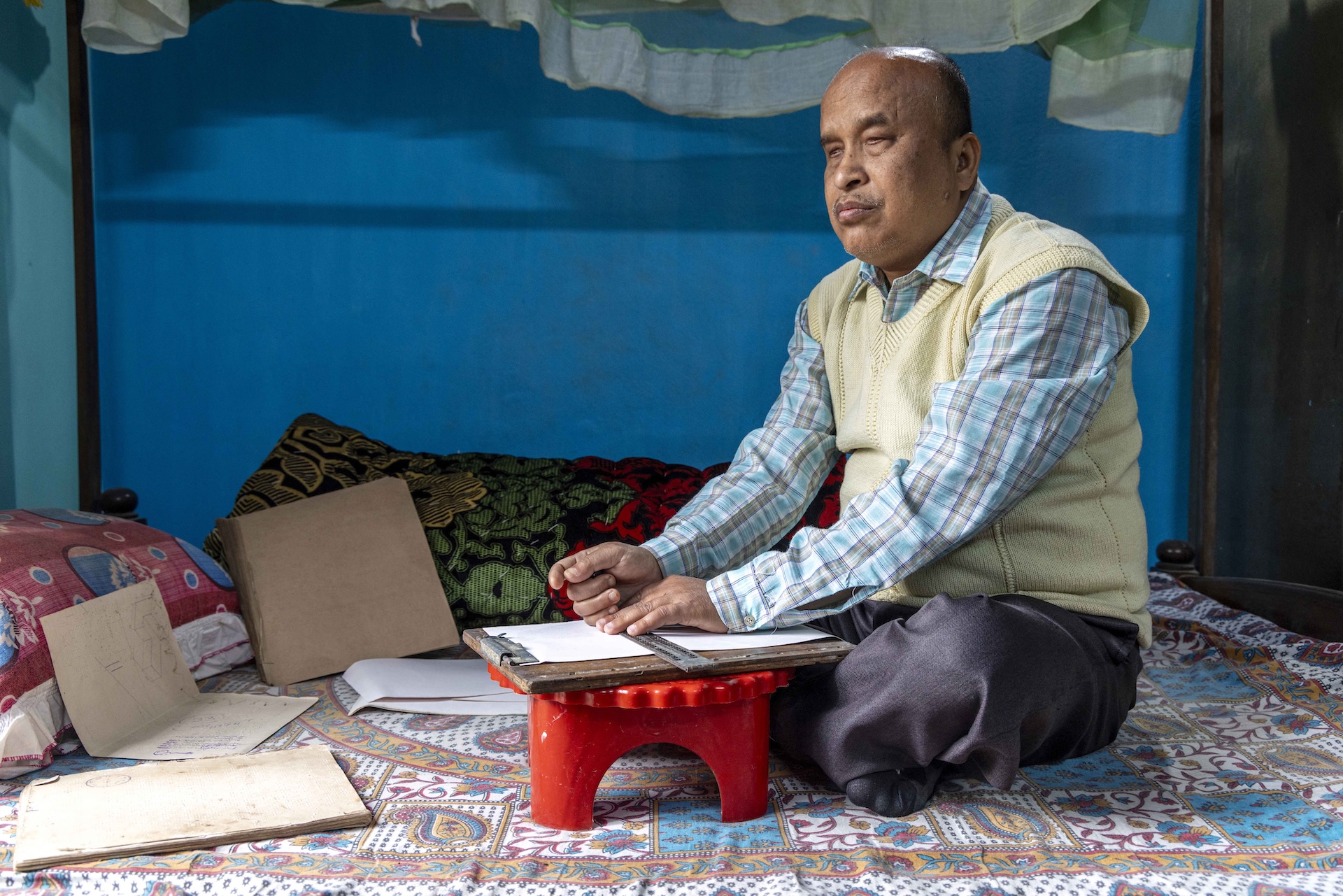
Prodeep, who is 52 now, says experiencing the world through his four senses has always felt ‘normal’ to him. His father was the village chief and he was one of six children. When he was around eight or nine he was sent to Moran Blind School where he learnt braille. He was trained in home management, life skills such as cooking and cleaning, and vocational skills such as candle-making. “We saw many films and documentaries,” he recalls. “We did a lot of travelling too. And I learnt to play the tabla – I still play it sometimes.” After completing Class 10 he joined Kanoi College where he finished 11th and 12th.
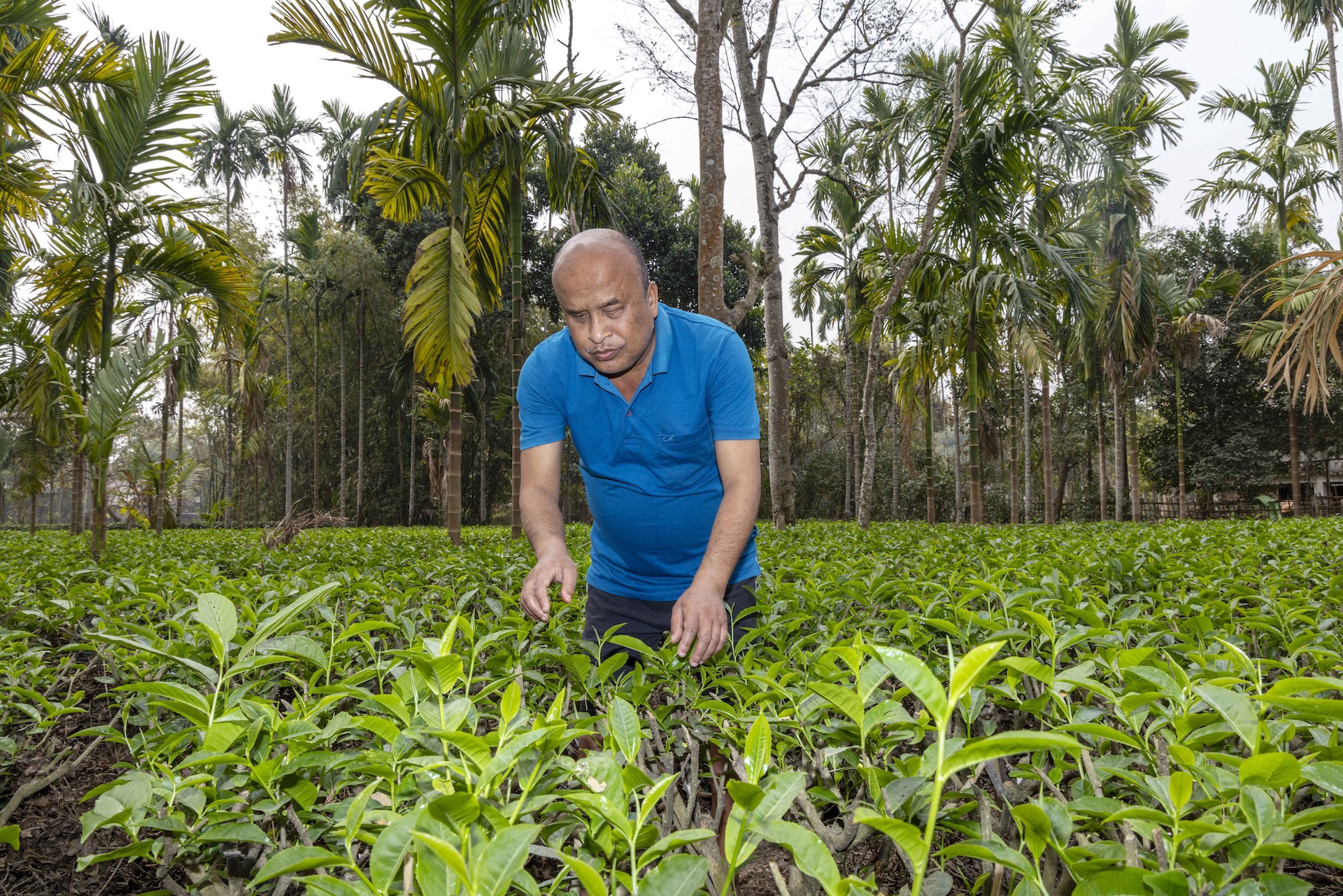
Prodeep then moved to Dehradun to join the National Institute for the Visually Handicapped. He learnt Hindi braille to get a job as a proofreader but could not find employment. So he decided to go back home and look after his tea farm which covers nearly three acres. He says by touching the tops of tea bushes he can easily figure out which leaves are tender enough to be plucked. “I love drinking tea,” he adds, laughing. “I drink four to five cups a day.”
Blindness did not prove to be a hindrance when it came to marriage – with Pronima, a sighted person. Prodeep’s younger sister got to know of Pronima through her aunt, and informed her father who got the proceedings underway. Pronima (47) tells us, “I was fated to get married to him. It’s been 23 years. I really like talking to him because he talks very nicely! We have never had major fights – only the usual small tiffs.” They have a son, Manashjyoti (21), who has just written his Class 12 exams and is awaiting the results.
In 2023 Prodeep passed a qualifying exam and got a government job (Class D) in the education department through the quota for disabled people. He was posted to an elementary school as the chowkidar (watchman). The school staff were sceptical when they knew a Blind person had been appointed. How would he find his way around the school? How would he perform manual tasks such as opening and closing classrooms? Would he be able to fulfil his daily personal needs such as eating lunch and going to the toilet?
They needn’t have worried. When he joined work, Pronima initially accompanied him and helped him get familiar with the environment and his assigned duties. Pretty soon his colleagues realised he could smoothly navigate the premises and do everything independently. All they needed to do was tell him where and when they had kept things for him to attend to. “Now they are very helpful,” says Prodeep. Manashjyoti drops him to the school on his scooter and picks him up after his own school hours are over.
Prodeep’s dream for his son is simple: “I want to give him a good education so he can get a good job and lead a good life.” He says it would be nice if all persons with disabilities and their families too would get the necessary assistance from the government or NGOs. “It is very important for disabled persons to be mobile; they should receive mobility training and support,” he says. “They must have their family’s support as well.”
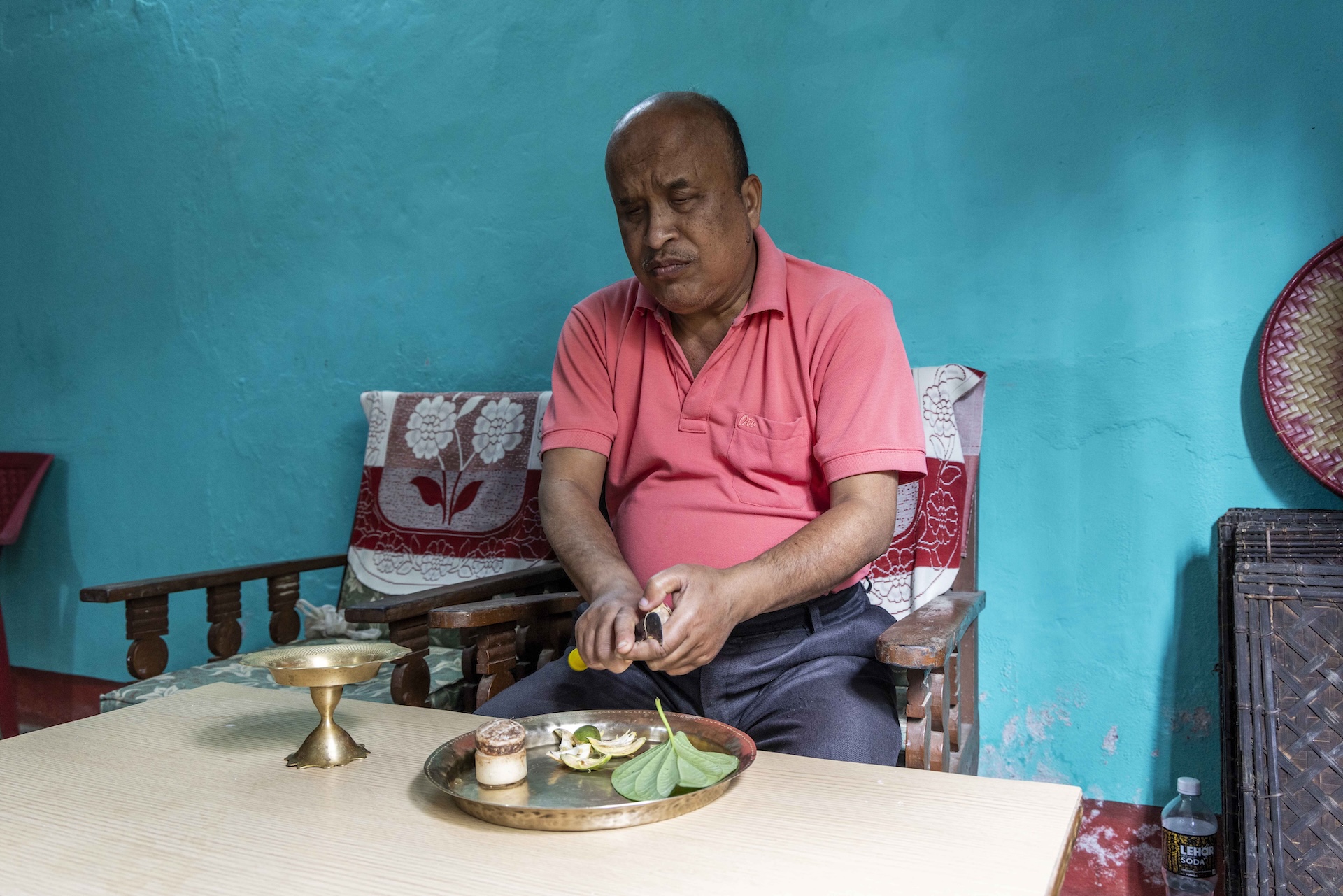
We usually ask our EGS subjects about their favourites – food, hobbies, colours etc. Prodeep enjoys music, loves eating fish and chicken, and drinking tea of course. It is wrong to presume the Blind don’t know what colour means. Prodeep says, “From my understanding of colours, I feel I like the colour white.”