
laxmi
laxmi narayan , andaman and nicobar

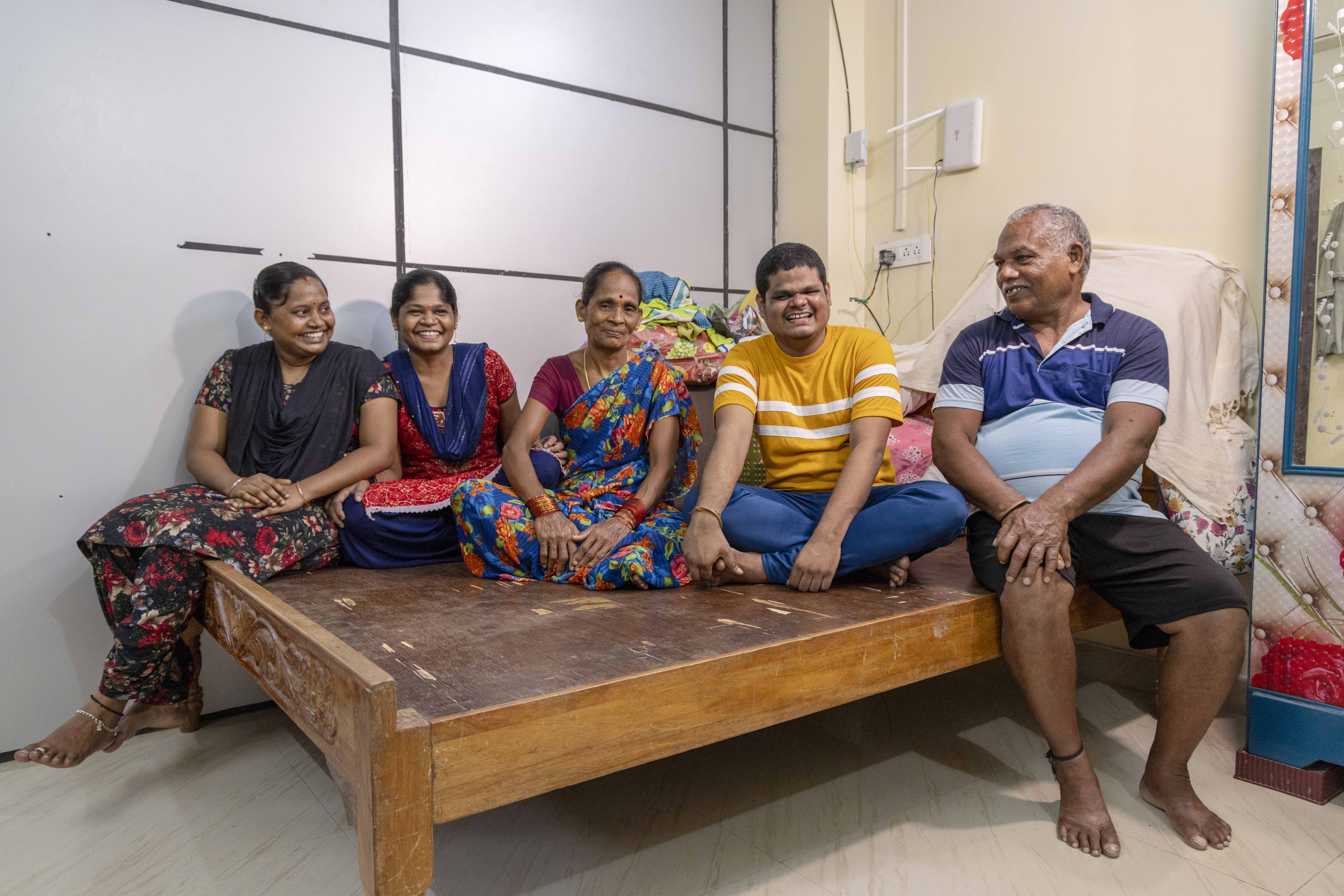

“I did my diploma in computers. I’ve been applying for jobs, but haven’t found any”
When Laxmi Narayan (27) from the Andaman and Nicobar Islands told us his favourite actor is Telugu filmstar Allu Arjun, we took a moment to mull over his statement. Laxmi is 100 per cent Blind, so it wasn’t Arjun’s handsome visage or his celebrated dance moves that made him a fan. It must be the dialogue delivery, we concluded.
Laxmi Narayan belongs to the third largest ethnic group in the Andamans: Telugus. The northern districts of Andhra Pradesh have a long history of migration to the Islands, dating back to colonial times. Another wave emerged post-Independence, attracted by prospects of lucrative jobs. Haddo (in Port Blair), where Laxmi lives, became a major hub of Telugus in the 1950s.
Laxmi’s father S. Nandesh (59) and mother Mahalaxmi (47) both came to the Islands as children when their parents migrated from Andhra. Nandesh has been working in the government’s Electrical Department since the age of 19 and is due to retire in a few months. “I used to work day and night to make ends meet and bring up my four children,” he said. He had to shoulder an extra burden because two of the four kids were born with blindness.
First came Mahesh, who had no disability. Next, their daughter Madhuri, born with partial blindness. When Sunil was born, the couple must have heaved a sigh of relief when they realised he was sighted. But then came Laxmi Narayan. The couple didn’t waste time moaning about their fate. “It is what it is,” they said, and accepted their circumstances.
Madhuri (31) was never admitted to school; she has been a home bird all her life. “I haven't studied so there is nothing else for me to do,” she told us. “I spend my day helping my mother with household work.” Neither she nor Laxmi Narayan use a white cane that would enable them to move outside independently. Laxmi started going to the mainstream government secondary school – many Blind children are able to hear and memorise lessons – but the school authorities decided they couldn’t retain a child with vision loss. Nandesh recalls, “My cousin, a teacher at a different school, had a friend who taught at the secondary school. He asked his friend to put in a word. So the secondary school re-admitted Laxmi.”
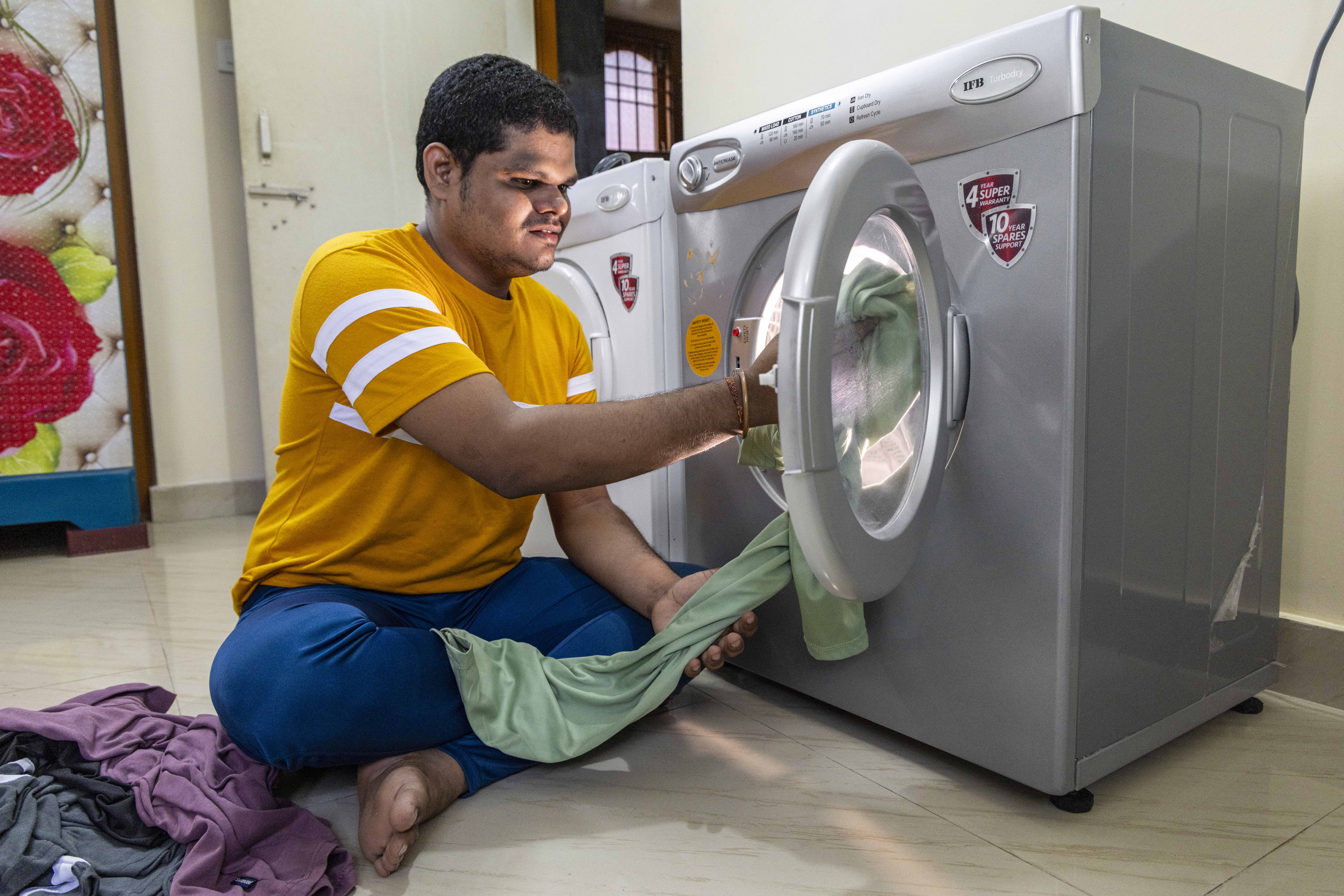
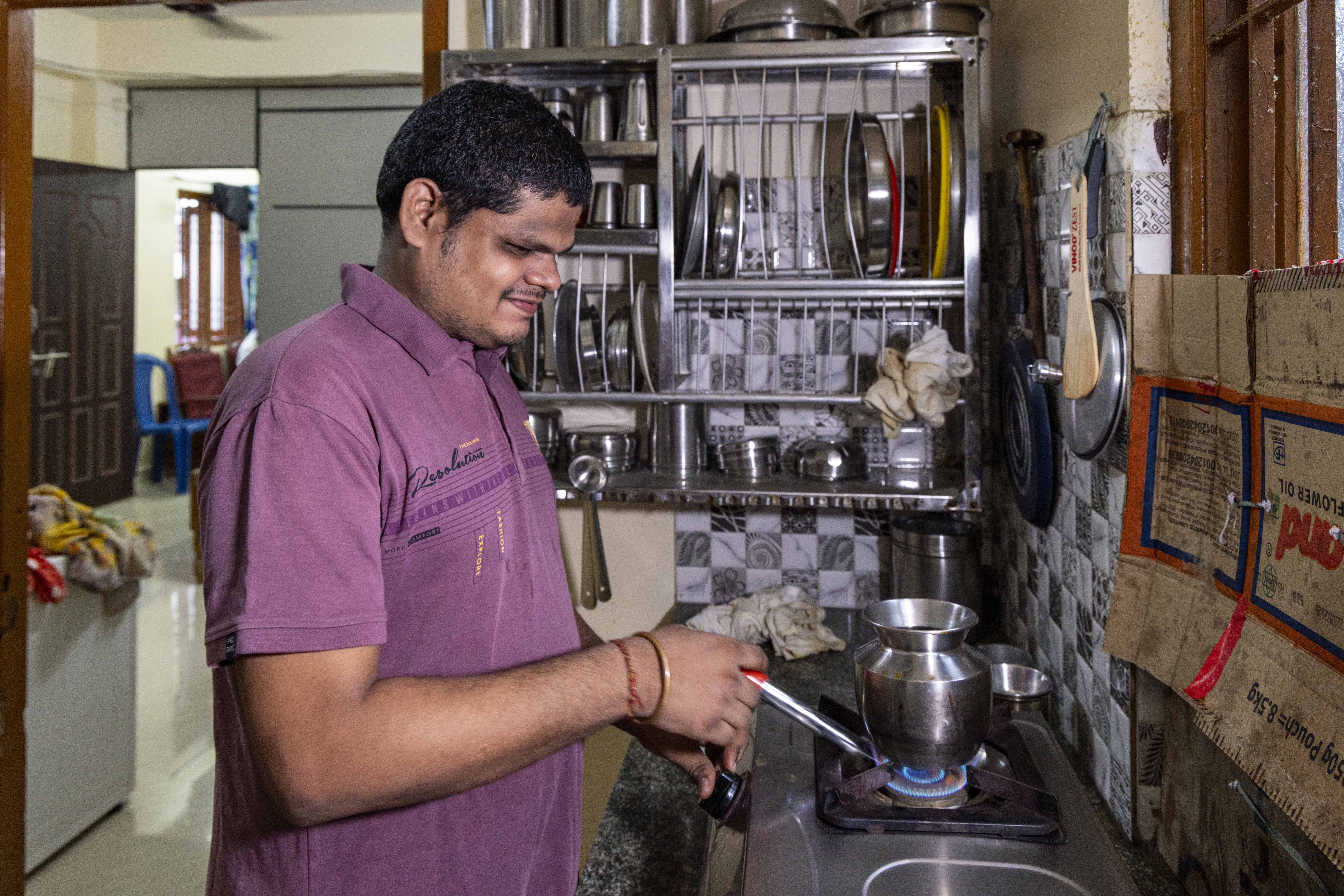
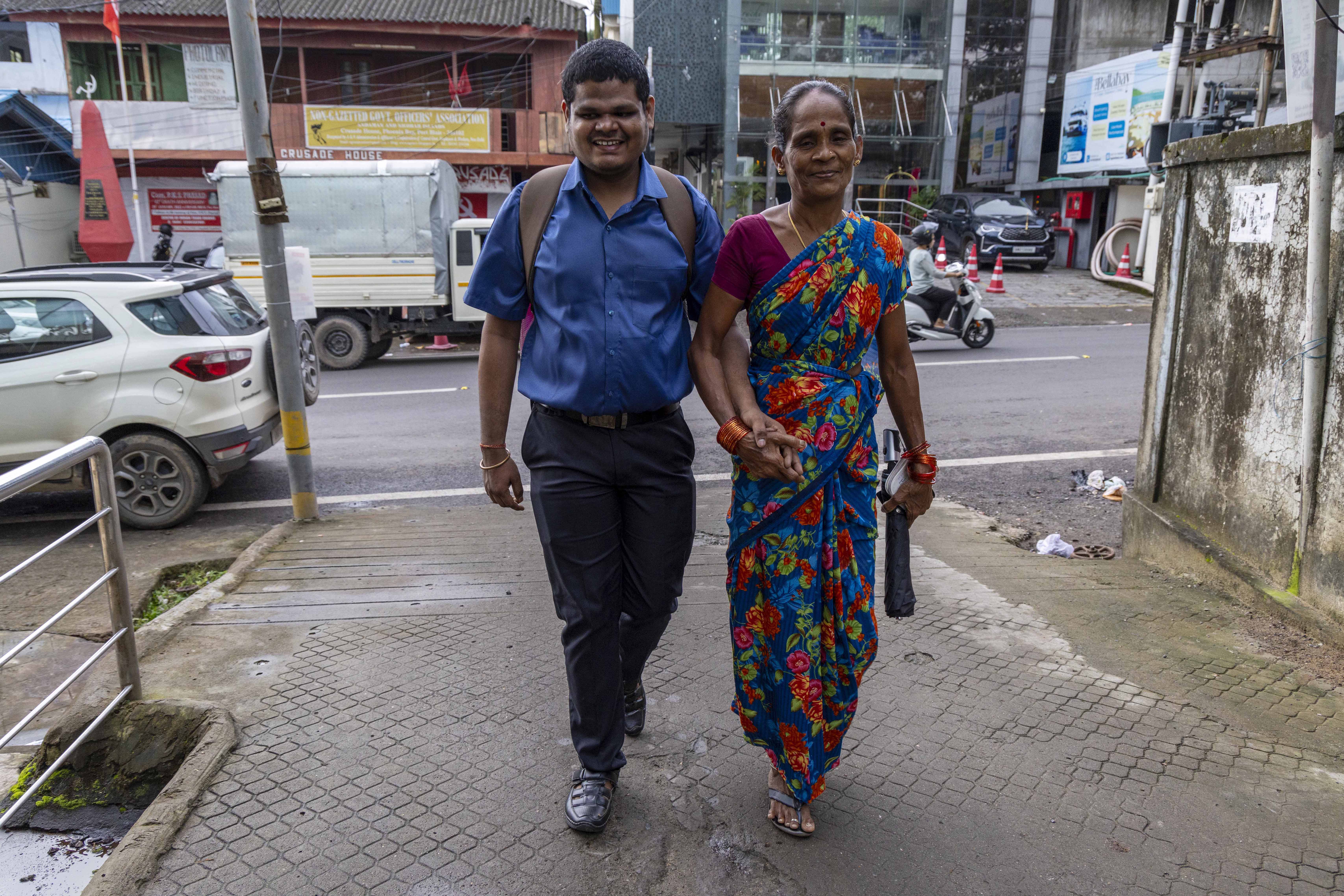
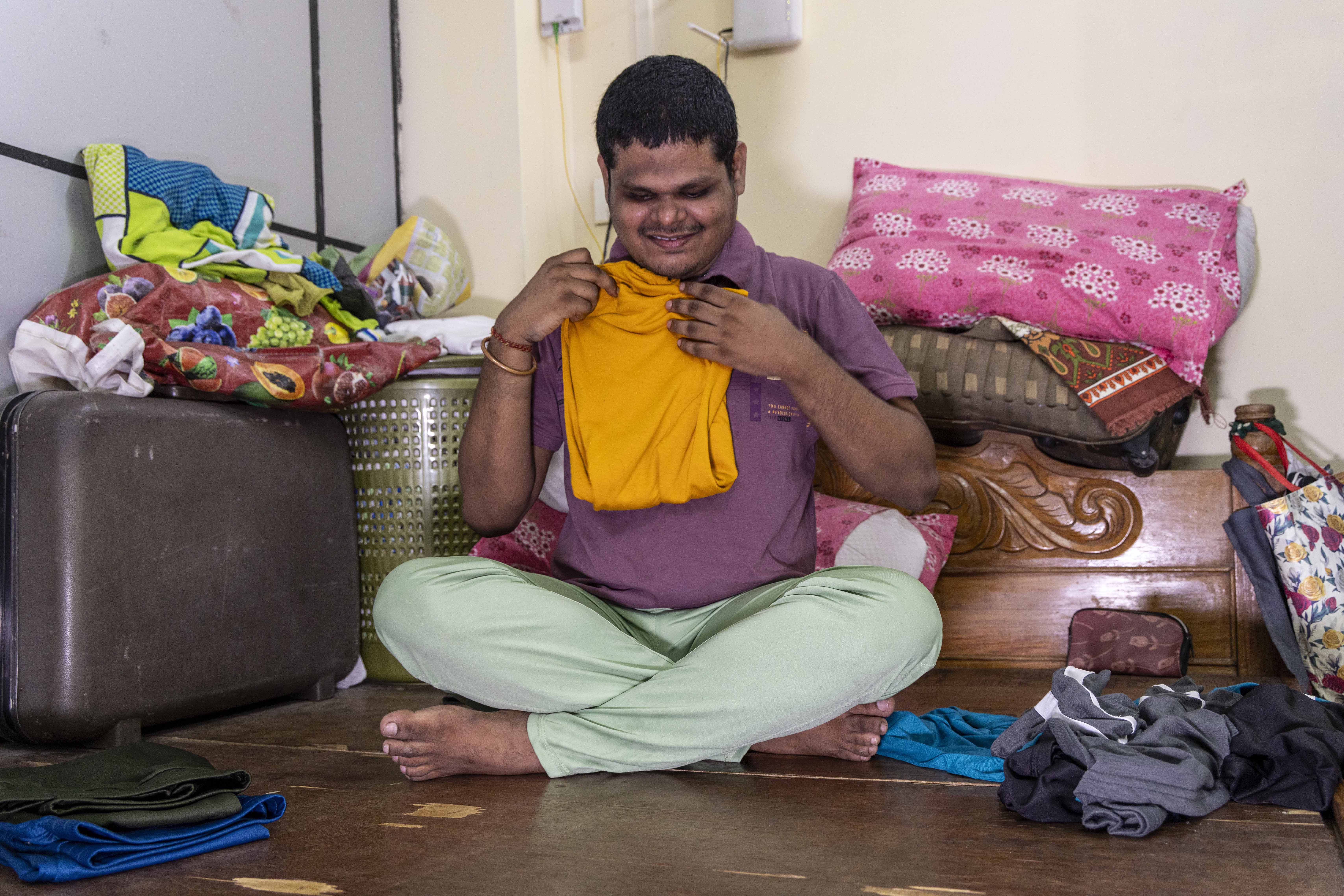
Laxmi learnt his lessons thanks to his classmates reading them out aloud to him. In this way he managed to complete school, answering exams with the help of a scribe, and did a correspondence course in computers. “I like typing on computers,” he says. “I want a job but though I have applied to many places I have not heard back yet.” He spends his day – from 9 a.m. to 3.30 p.m. – at the Composite Regional Centre (CRC) which offers education, therapy, skill development and rehabilitation for the disabled. “I attend therapy sessions at CRC,” he says. “I learnt cooking, gardening and other life skills there. I go in an auto and I return by bus. My mother picks me up from the bus stop.”
The household also includes Sunil and his wife Laxmi Devi; Mahesh and his wife live separately. Laxmi relishes “the fish my mom makes” while Madhuri is happy with “any non-veg food”. Mahalaxmi says, “All the children get along well with one another. My husband and I support each other. Our children are our joint responsibility.” Nandesh adds, “My only wish for Laxmi and Madhuri is that one day they can take care of themselves and have a good life.”