
jaisal
jaisal a , kerala

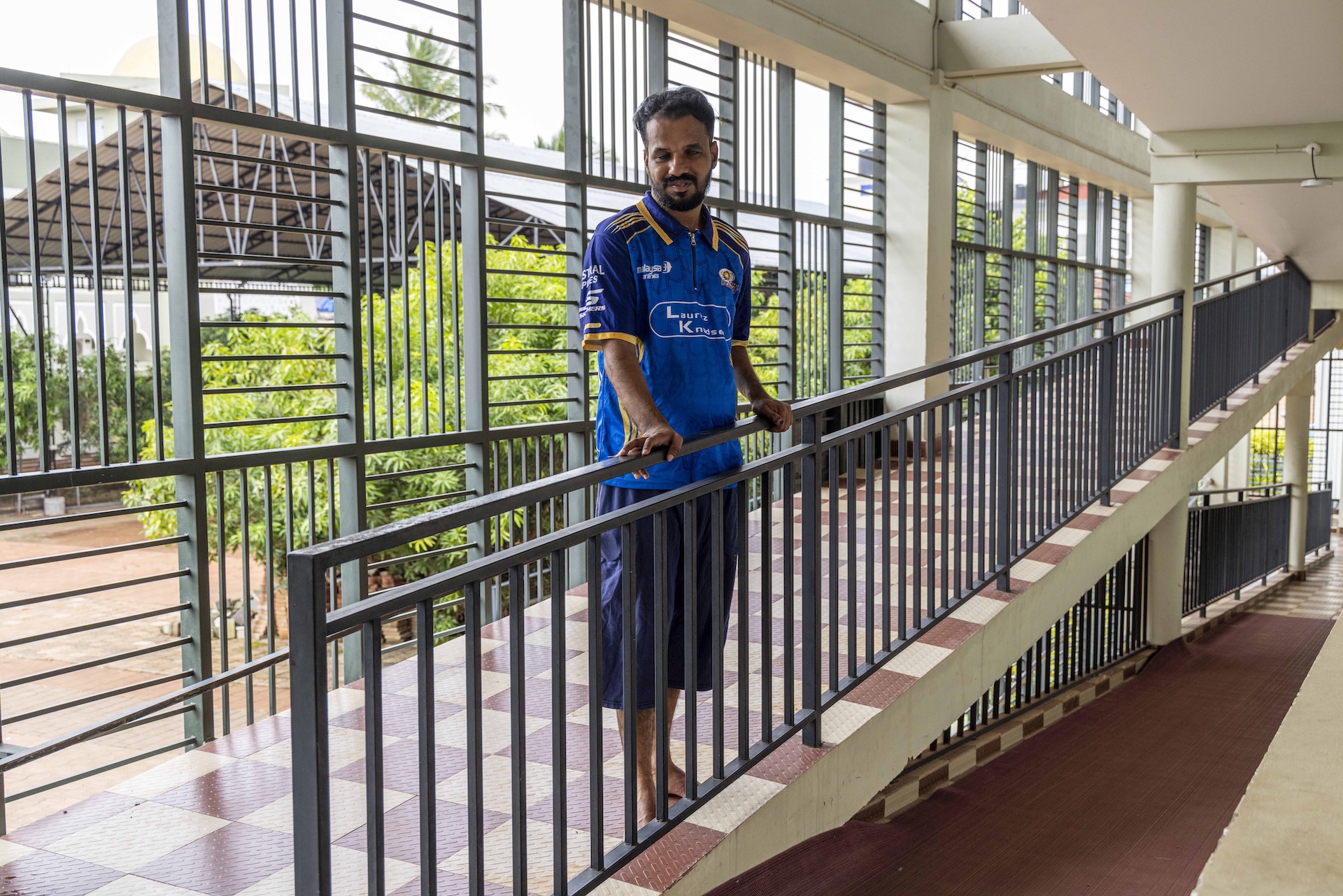

“When you face a problem, find a solution that will help yourself as well as others like you”
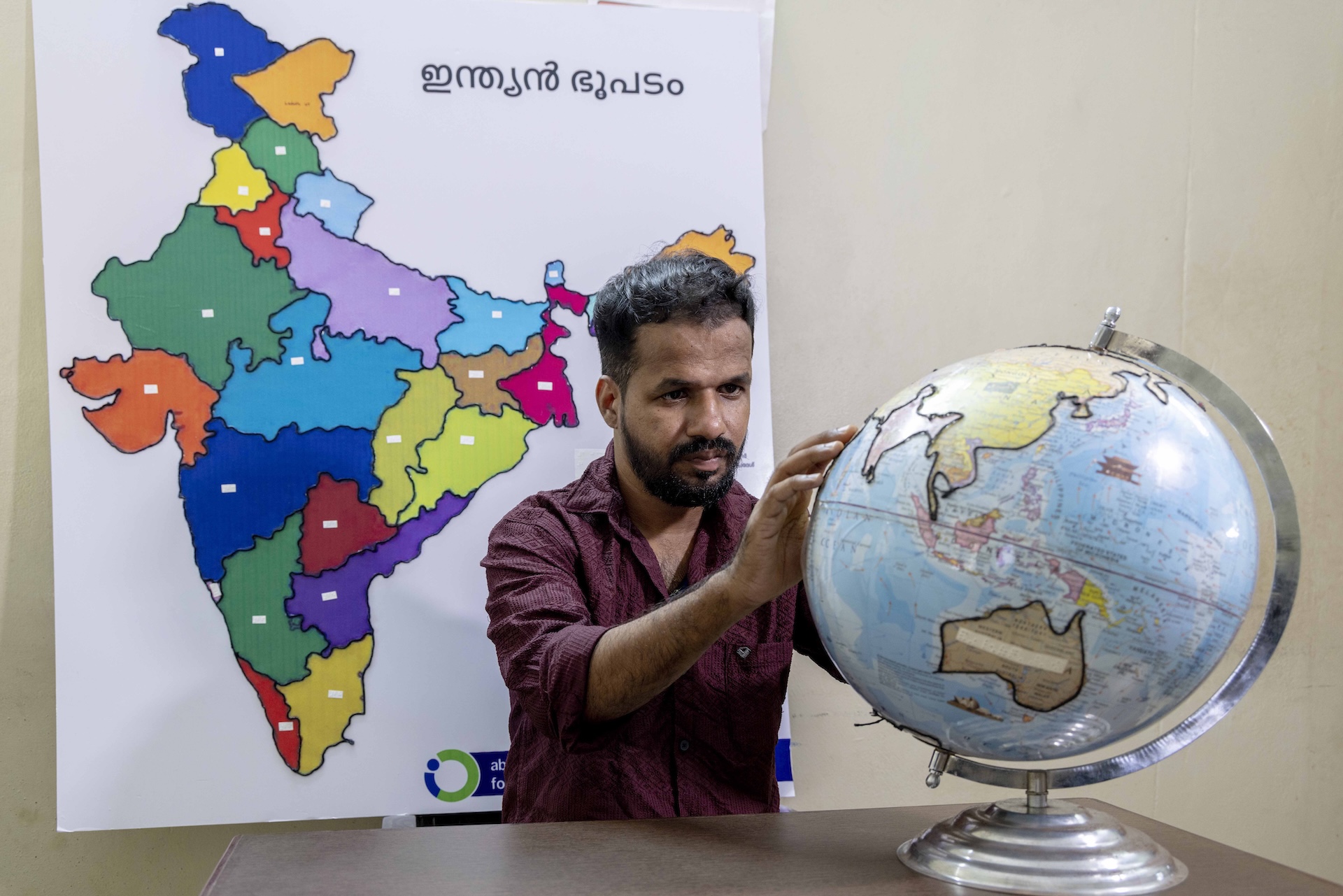
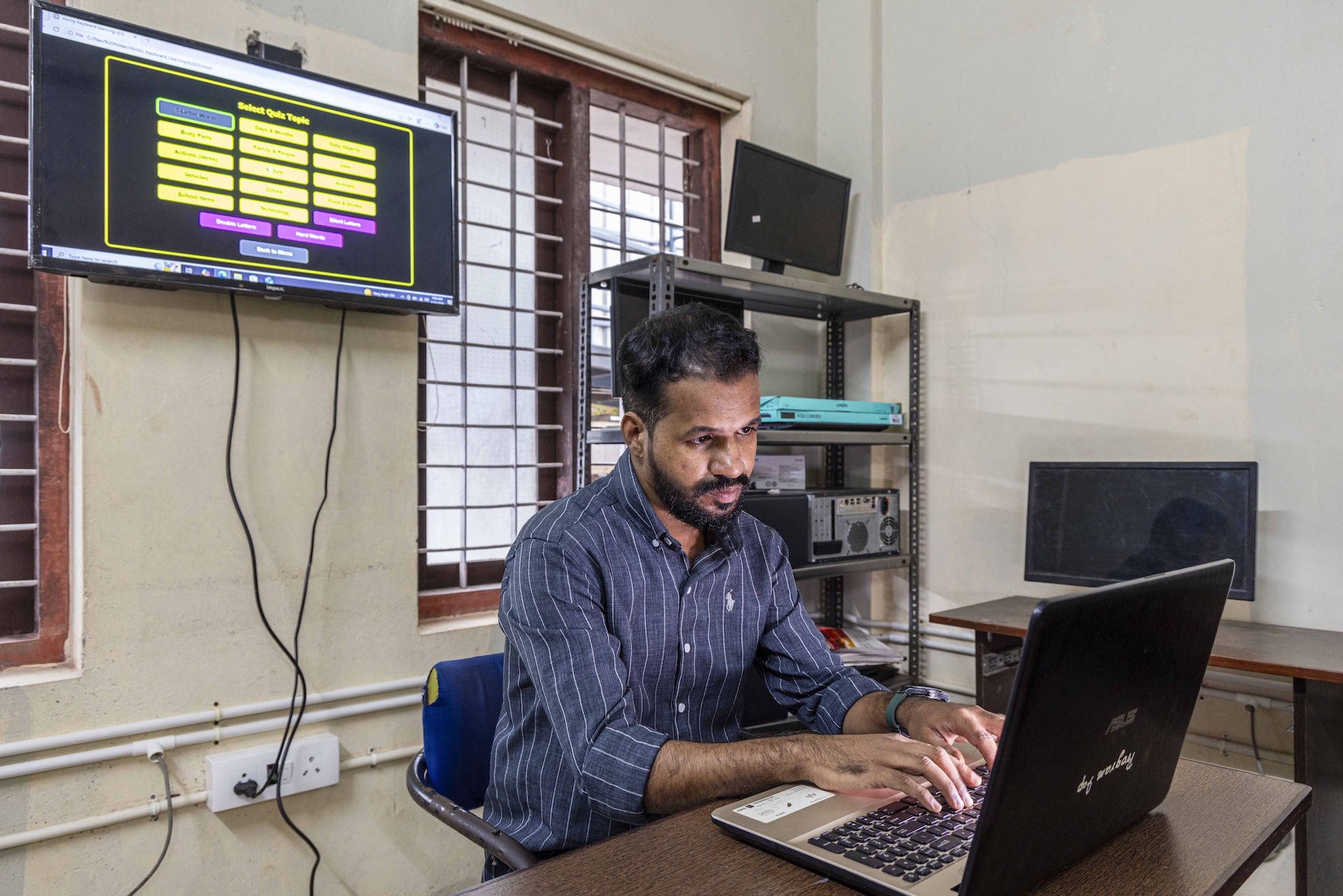
Jaisal A (30), who has low vision, is a firm believer in technology and the benefits it can bring to everyone, whether ‘abled’ or disabled. Besides working as a computer teacher at the Ability Foundation for the Disabled in the city of Malappuram in Kerala, he is bent upon developing apps that will improve the lives of the Blind and Visually Impaired (VI). This desire springs from his own experiences and the difficulties he faced in his academic career.
Jaisal’s education journey has not been an easy or straightforward one. He hails from Morayur village in Malappuram district. His father, Ali, is a daily-wager who digs wells (open wells still exist in Kerala), and his mother, Safiya, is a homemaker. He has an older brother, Faisal, and two younger sisters, Rahmath and Mubeena. After studying in a mainstream school till fourth grade he continued his education through braille at Rahmaniya School.
Jaisal had an older sister, Munthasa, whom he was very close to. She used to take him to school and help him in his studies. While he was in seventh grade and Munthasa in tenth, she was diagnosed with blood cancer and fell seriously ill. Jaisal felt he had to repay his debt to her for all the support she had given him, and so he discontinued his studies and devoted his time to taking care of her till the end of her days.
But Jaisal did not give up on education. “I am curious by nature; I have always been keen on studies,” he says. Through equivalency programmes he completed his 10th and 12th grades through the Kerala State Board. He also applied for a Teacher Training Course, but was unable to join because the course was not accessible to him. From 2018 to 2021, he pursued a B.A. in English at Victoria College, Palakkad. Difficulties in getting a scribe made it impossible for him to complete his studies on time. “My marks were affected because assignments and examinations called for handwritten work,” he recalls. “I believe they should be digitally accessible for students with disabilities.” Despite these barriers, he later completed his B.A. in Sociology through Annamalai University.
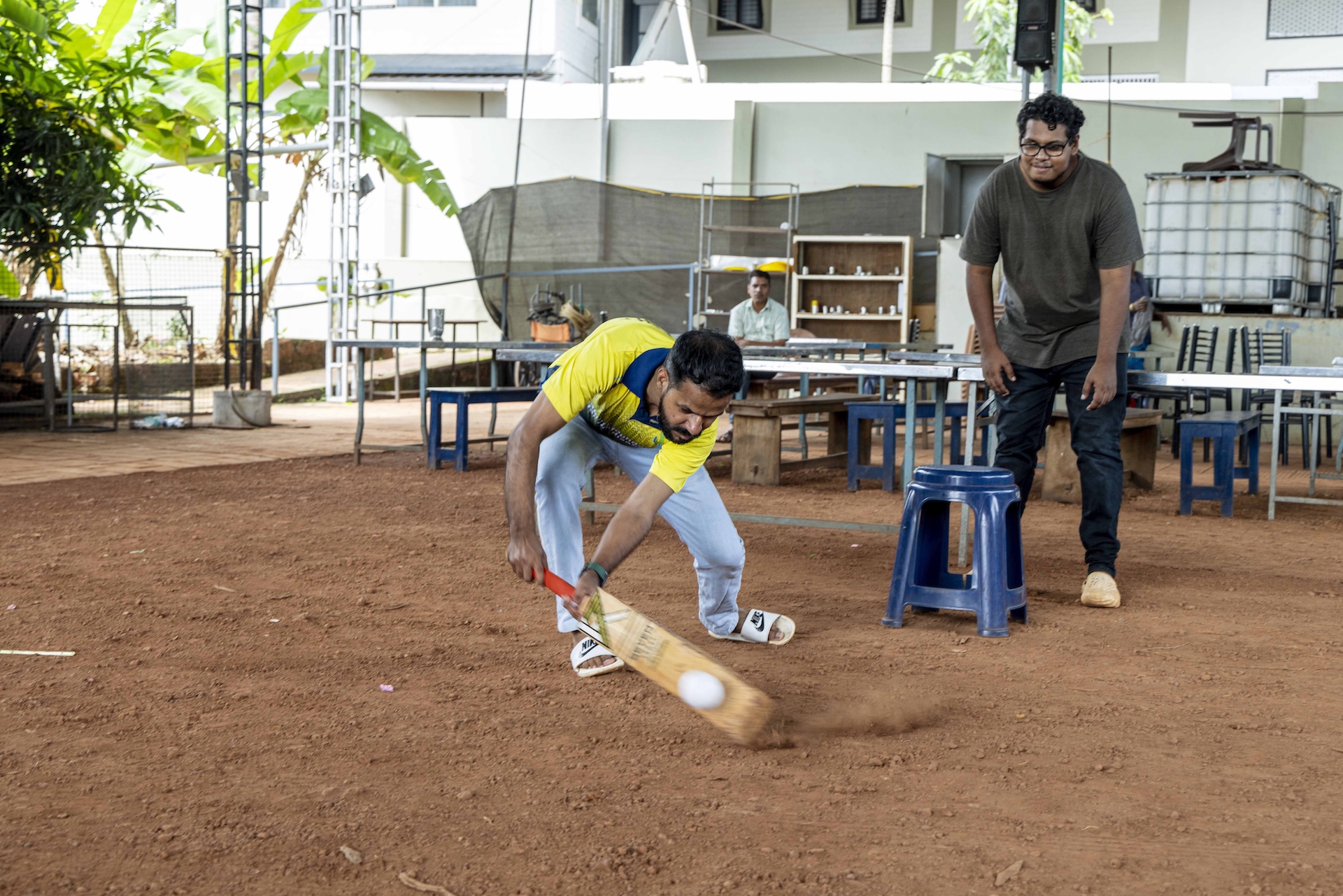
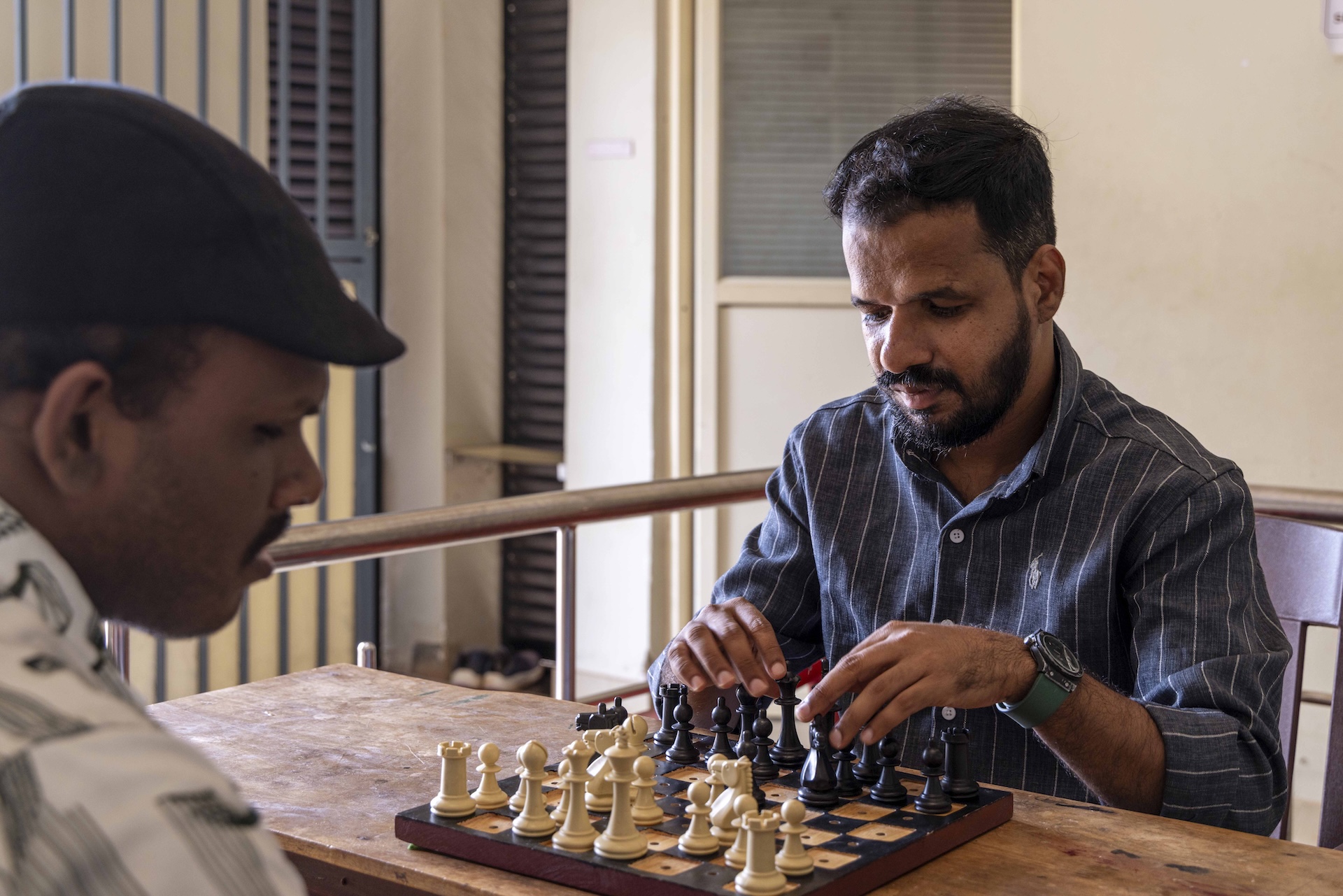
Jaisal has always had a passion for sports. He regretted not being able to play football in school because of his impaired vision but now he is a member of the Malappuram District Blind Cricket team! During the COVID-19 pandemic, he acquired another passion. He began learning coding by watching YouTube videos. He also did an advanced computer course through the Jyotirgamaya Foundation and learned Linux through a vocational programme at Ability Foundation. Technology fascinated him, and he began thinking about the possibilities of using AI for the VI.
His main project now is to develop an AI-based tool called Malayalam Typing Tutor, which will help anyone to independently learn to type in Malayalam. “I am trying to create a learning environment for both sighted and blind persons to use the same inclusive tool to learn to type in Malayalam,” he says. “This idea sprang from my own experience, from the difficulties I encountered while learning to type.” Using this application, a beginner can learn in stages which key combinations matches which letter of the Malayalam alphabet. They can practise typing and also take typing tests that will help improve speed and accuracy.
“This app’s prime unique feature would be its compatibility with a screen reader especially an NVDA,” says Jaisal. “A blind or VI person who uses NVDA would be able to use the app and the keyboard independently and read what is on the screen without assistance. While practising they can find out whether they are making mistakes because the app will give them aural feedback via the screen reader. It will have key combinations for shortcuts for selecting words, lines and sentences, and for selecting the parts of the text they want to read.”
Jaisal is also interested in developing Accessible Travel AI, an application that could help the disabled travel independently by providing accessible travel-related information. “Accessibility should not require expensive or specialised devices,” he says. “I always look for solutions that can work with ordinary computers and everyday technology – technology designed for everyone.”