
aziz
aziz and abbas akbarbhai , gujarat



“The limitation is not in our bodies but in society’s mindset”
You have probably seen this scene before. A boy with an intellectual disability (ID) comes upon a group of boys having fun. He eagerly tries to join in. They ignore him. He hangs around them, smiling. The fun is now aimed at him. One boy takes the lead and the others are quick to follow. Words, first – slurs, taunts, laughter in which the boy innocently joins in, unaware he is the target. Then come the poking and prodding, maybe cuffing on the head. He is puzzled, feels the hurt, but doesn’t know how to react. The smile, fast fading, lingers on his face.
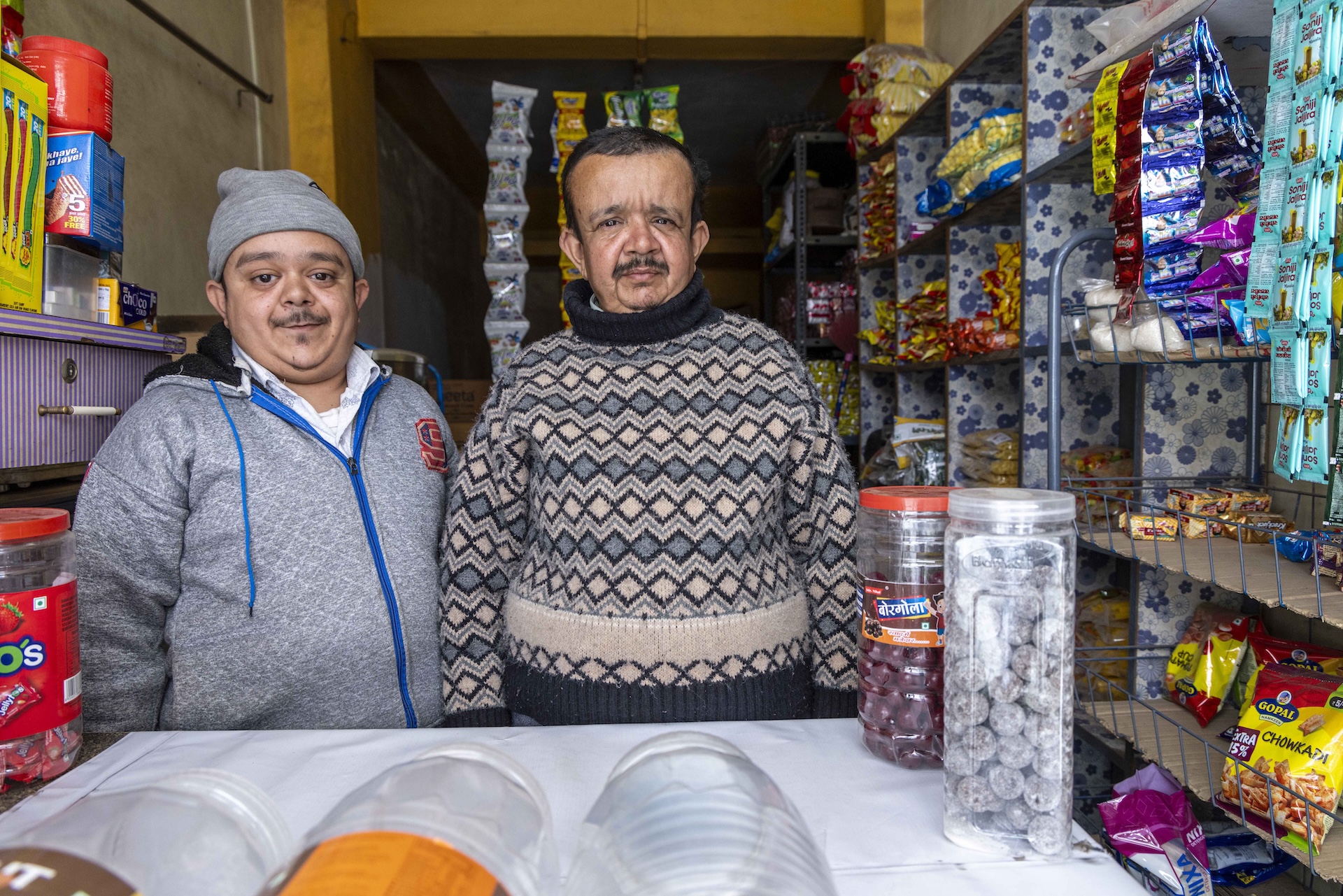
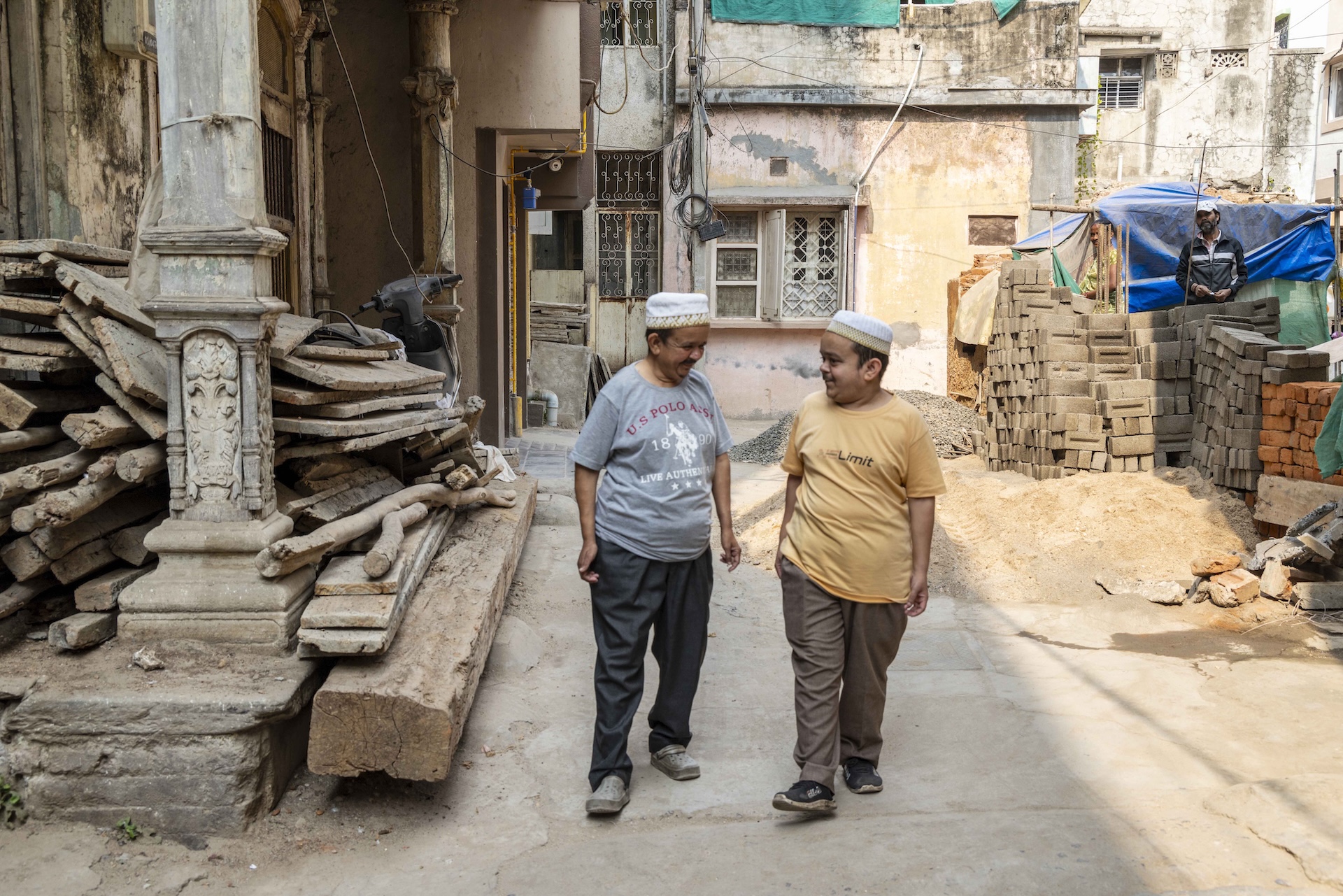
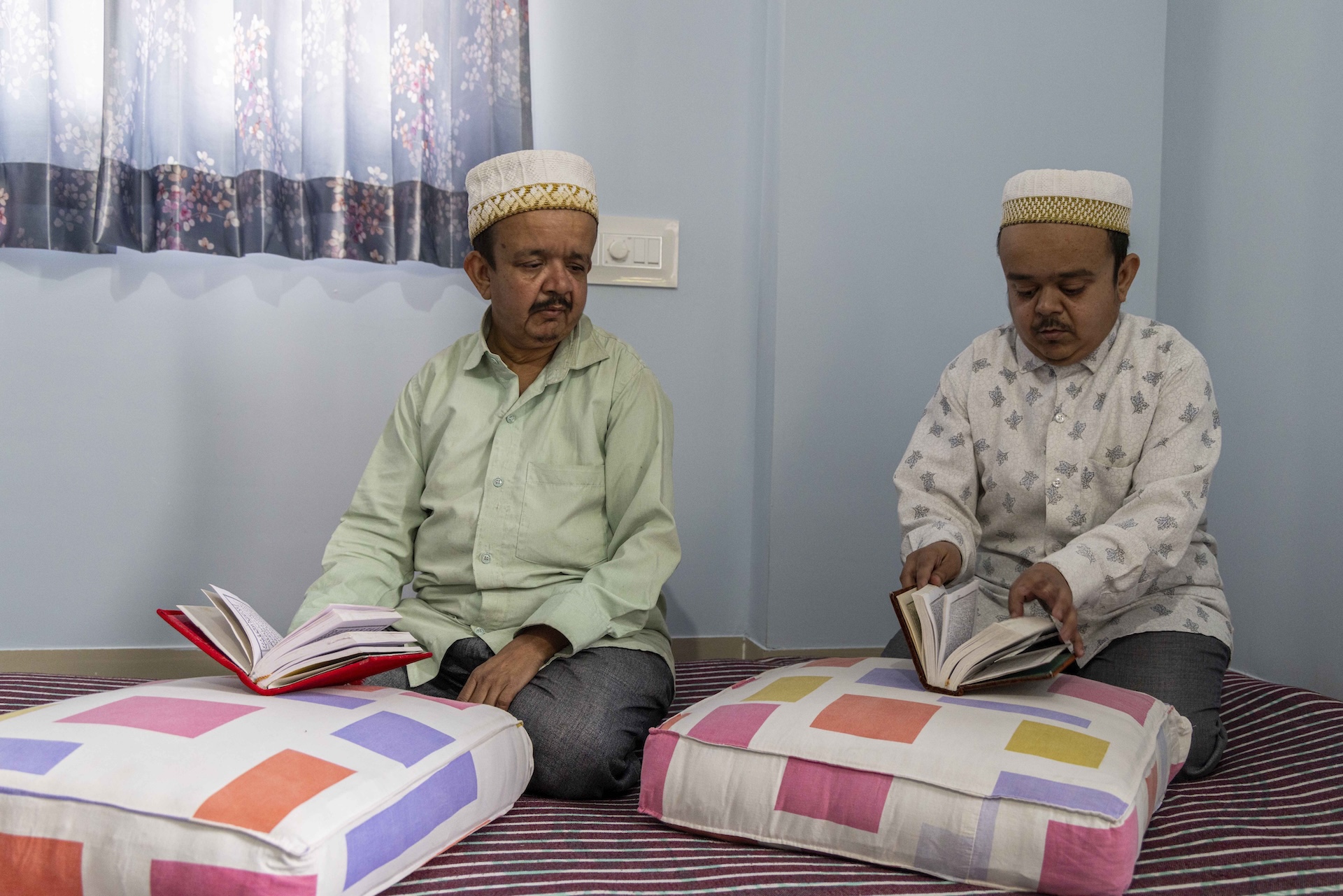
Abbas Akbarbhai Kathariya (48) from Dahod, Gujarat was born with ID and dwarfism, which made him doubly vulnerable to bullying. He doesn’t answer our interviewer’s question about his childhood experiences, but his mother Sofiyaben does. “The neighbouring kids used to bully him and hit him ‘just for fun’. Once they even threw him into a pond. Luckily someone saw him and rescued him.” Abbas’s younger brother Aziz (35) who also has dwarfism did not suffer the same fate. Aziz was a sharp and lively child who made many friends in school.
Abbas was the firstborn of Sofiyaben and Akbarbhai Kathariya. Akbarbhai ran a bookbinding business and it was a struggle to bring up his two sons and daughter Mariyam on his ₹1000 monthly income. However, he sent all three to a private school. Abbas could not continue beyond Standard 6 but by the age of 16 he had started working to augment the family income. For a while he worked in a bakery and then a footwear showroom but he was unable to concentrate on his job for long hours. He developed a fascination for his maternal uncle Taiyab Bajiwala’s wholesale business of papads and pickles. He decided to become a salesman and started going from door to door with a bag of pickles and papads. He became a familiar face around town, he began to earn a living, his business picked up, and soon he was unstoppable.
When Aziz was born 13 years later and showed signs of impaired physical growth, his parents thought his dwarfism would also be accompanied by ID, but that was not to be. He studied up to Standard 12, choosing Commerce as his subject, but couldn’t afford higher studies. However with his quick grasping powers he could learn any kind of skill without difficulty. He gained much knowledge about medicines after working more than six years in his brother-in-law Moiz Khanmodi’s pharmacy. He also worked in a printing press. Then he decided to take up his brother’s occupation and became a pickle-papad salesman.
After a few years as an itinerant vendor he wanted to strike roots. An idea struck him: why not join forces with his older brother and start a wholesale and retail business? They had earned enough by then to rent a commercial space in town. Abbas and Aziz opened a general store, Royal Traders. Akbarbhai died in 2024, reassured that Sofiyaben was in safe hands and her days of financial hardship were over, thanks to their sons. The family moved into a new house that they bought, in July 2025!
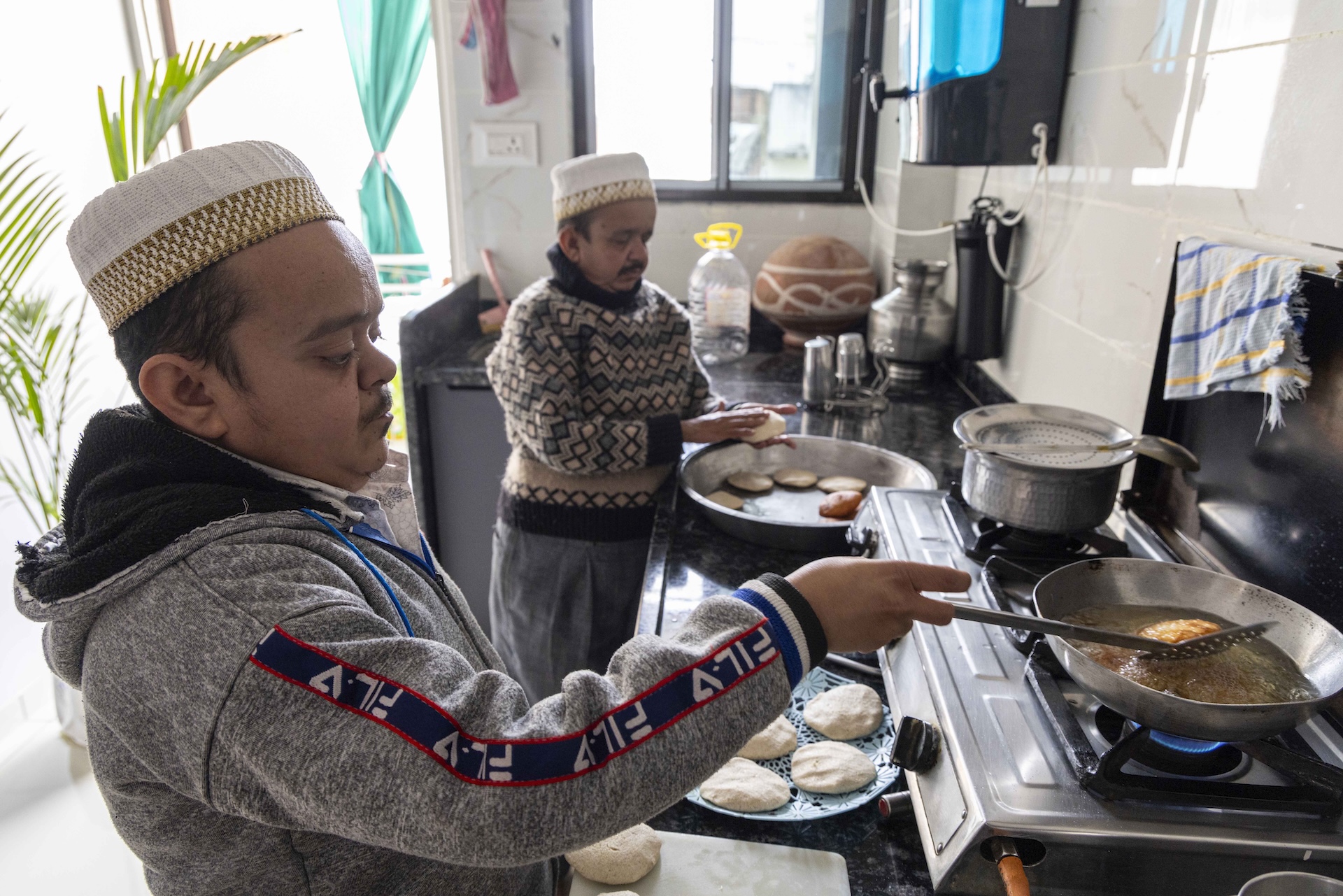
Royal Traders is thriving, and keeps both brothers busy. In his spare time, Abbas likes to watch action movies from the 1990s; he said he favours Dharmendra and Amrish Puri. Aziz has no hobbies in particular; he just likes to hang out with his friends. And what foods tickle their palate? Abbas loves tucking into fried potatoes. As for Aziz, he relishes a popular favourite: chicken biriyani.
Aziz cannot easily forget the scars society left them with – his brother, especially. He too has faced his share of rebuffs but he had the wits and confidence to handle them. “Being short doesn’t reflect our capabilities,” says Aziz. “People like us don’t need pity but acceptance. Equal opportunity, equal respect – it’s not too much to ask for. What we have achieved is through our own hard work.” He adds: “We wish no one else goes through what we have gone through.”