
arhan
arhan khursheed , jammu & kashmir


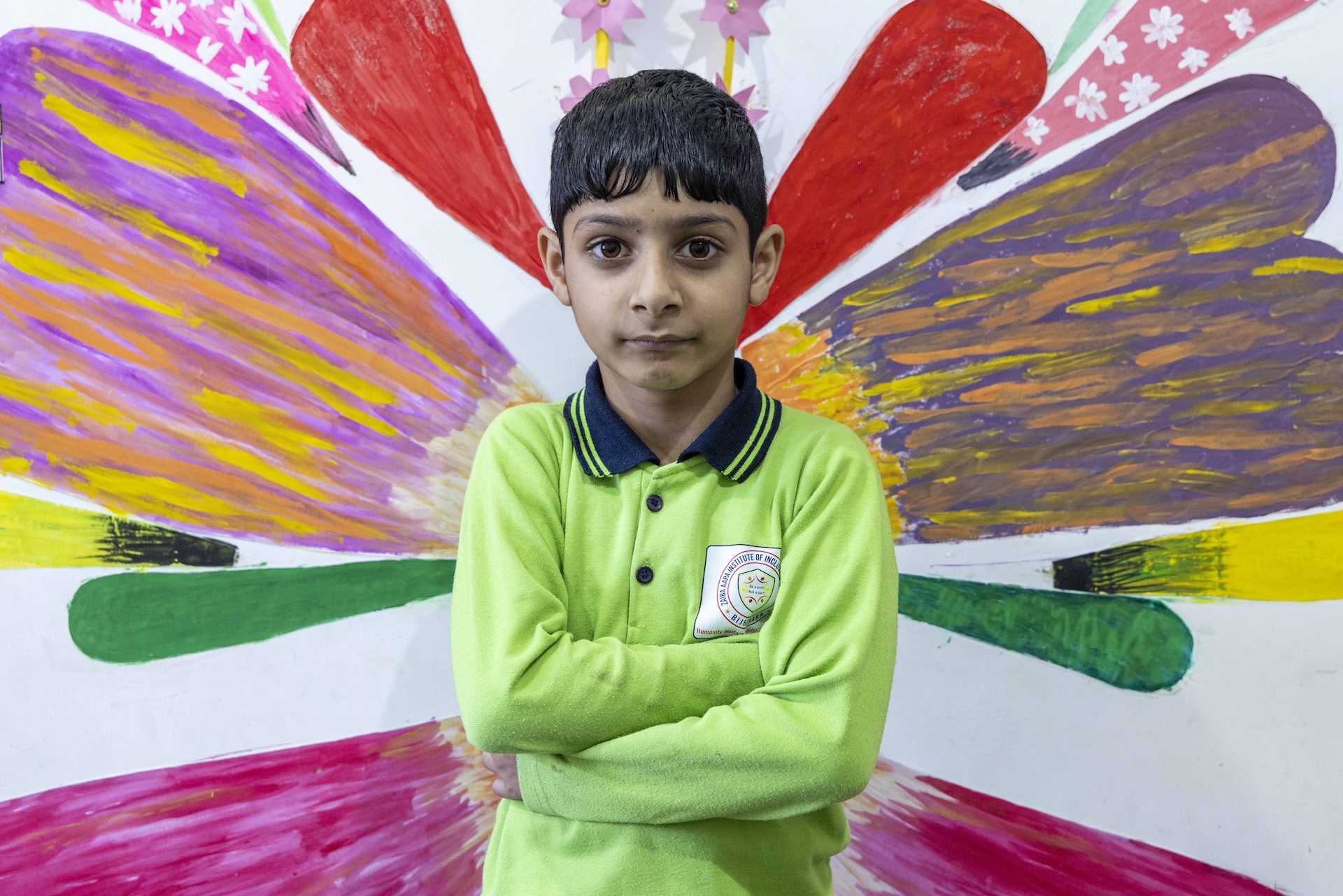
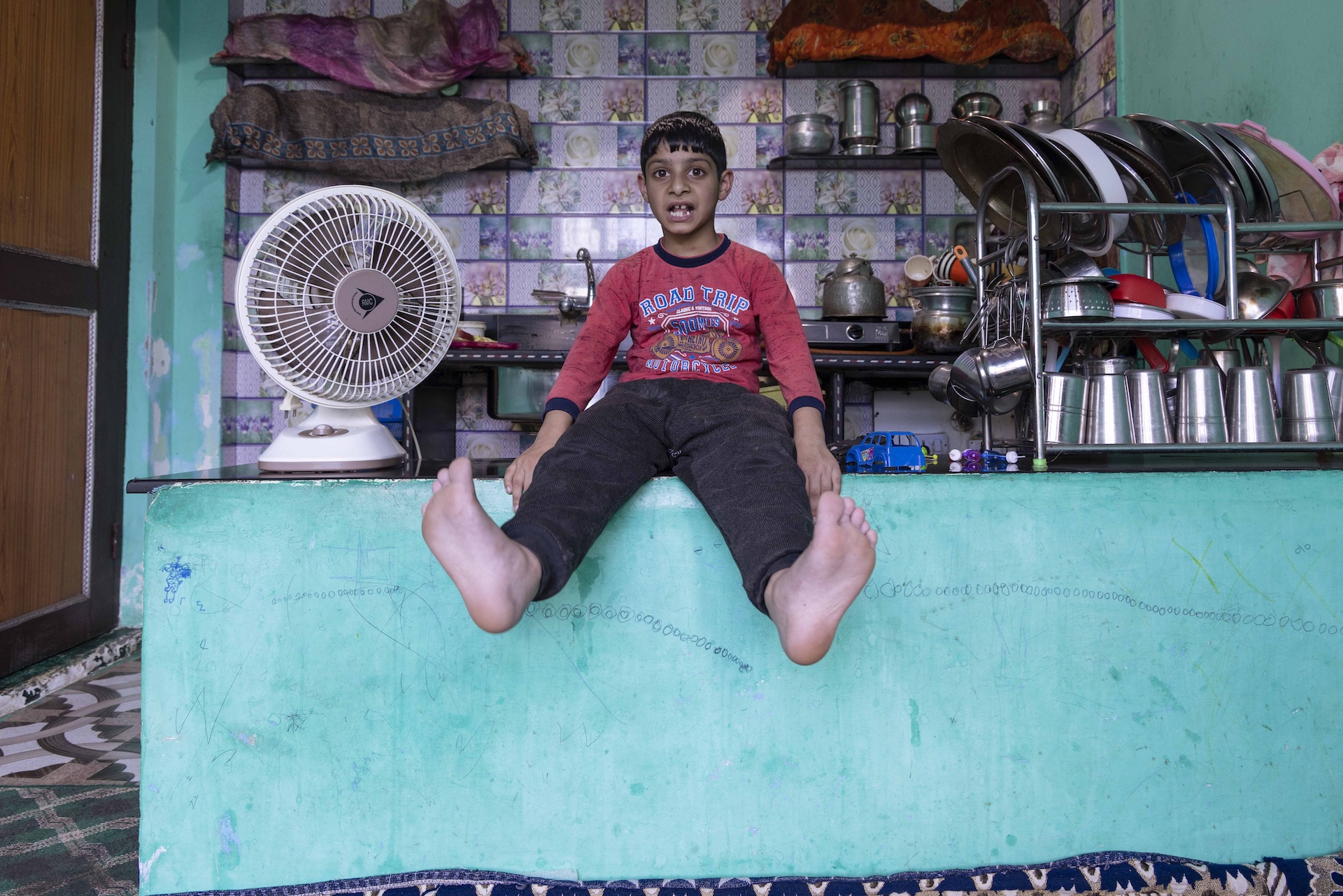
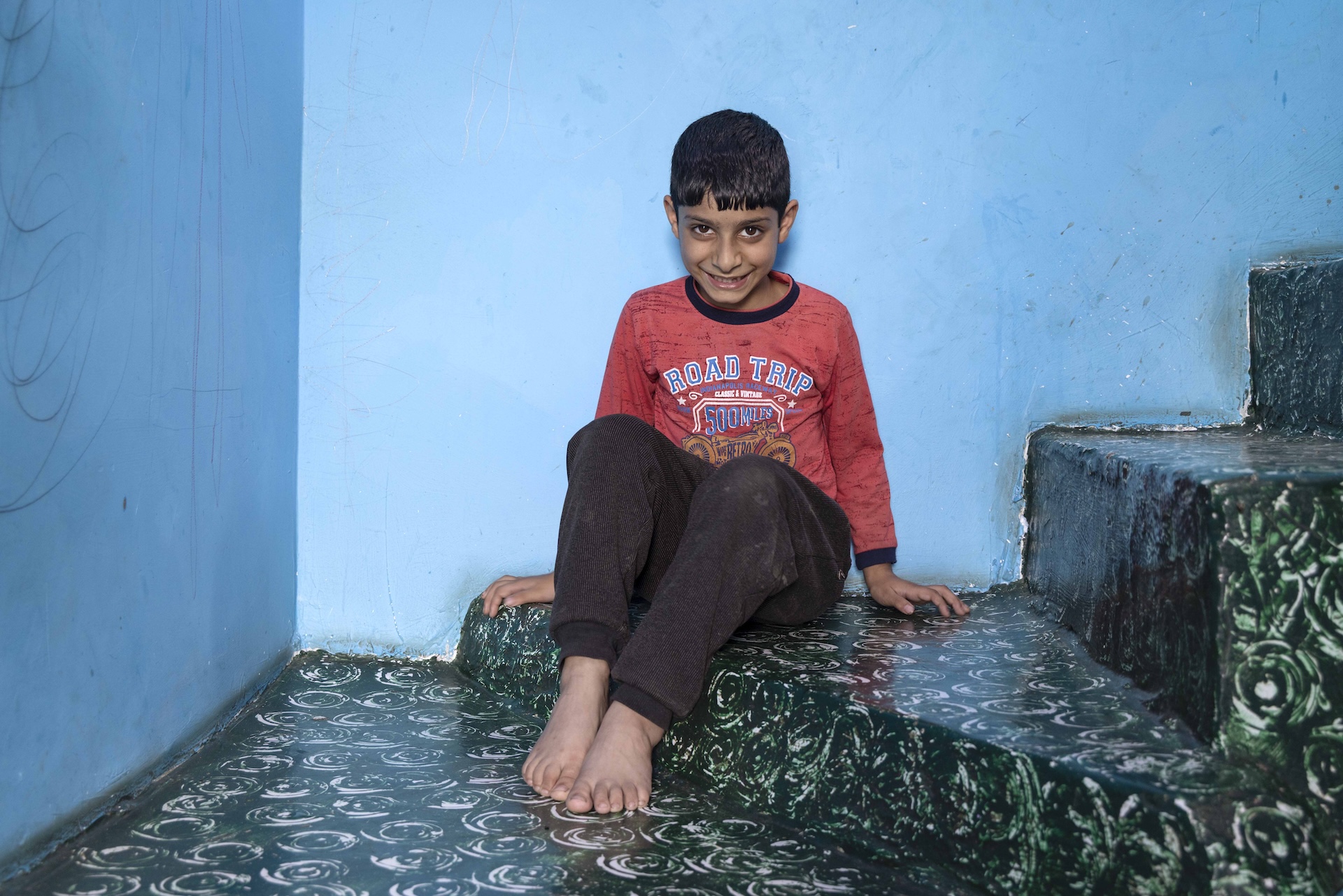
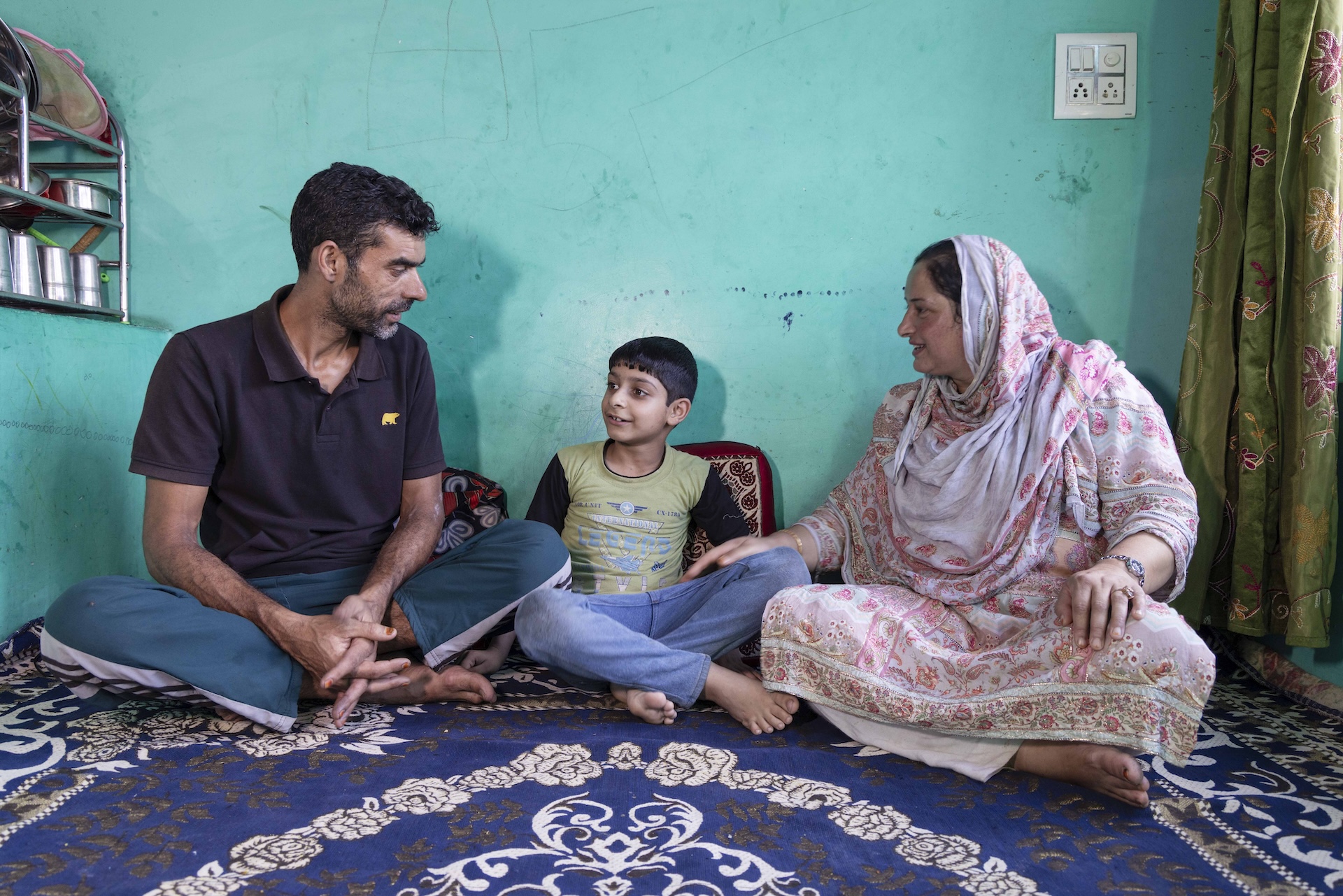
“I like playing cricket and also games on my phone. I want to be a doctor when I grow up”
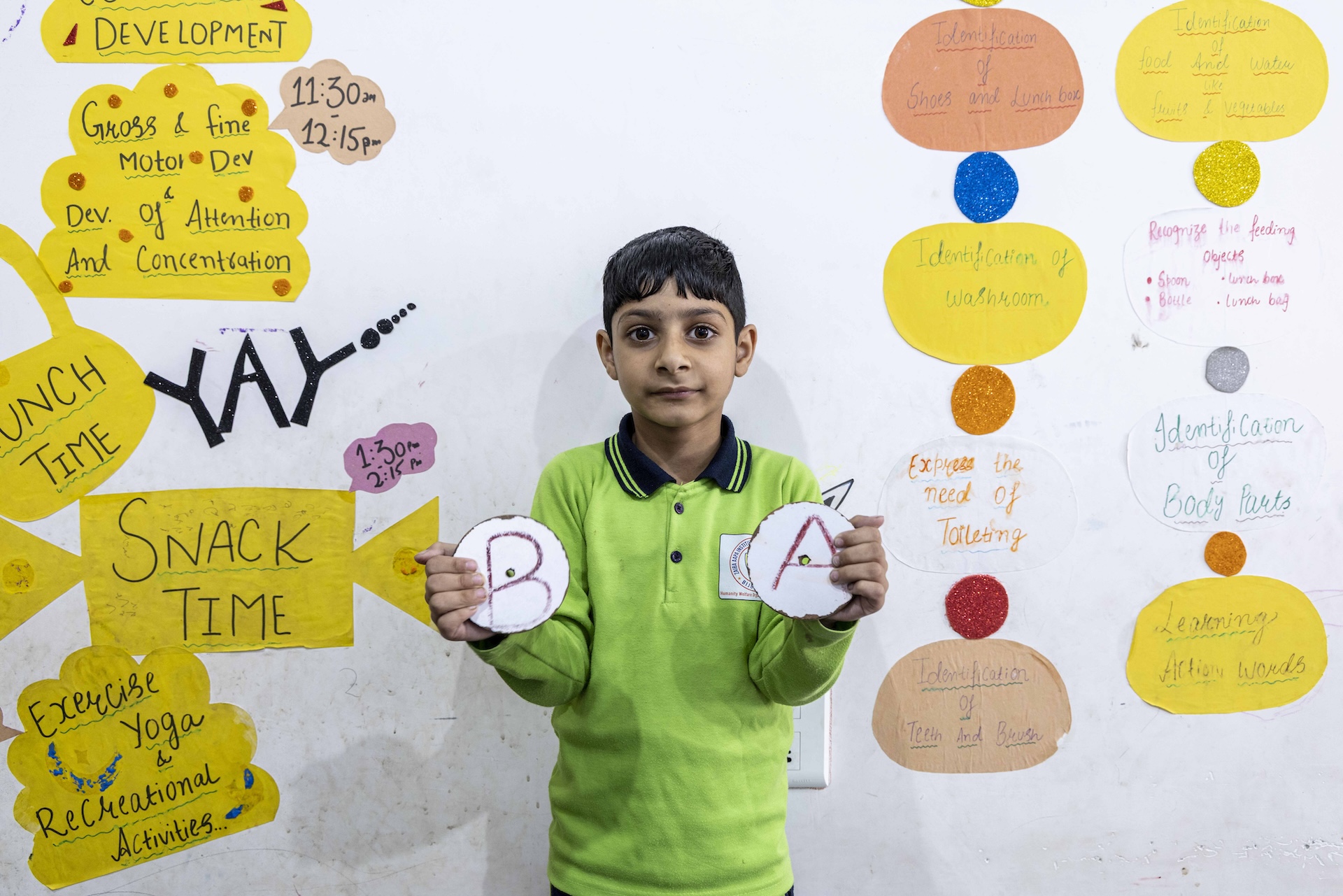
When we spoke to Tasleema Akhter (37), the mother of Arhan Khursheed (8), she had just received a call from his teacher Yahya Hassan at the Zaiba Aapa Institute of Inclusive Education in Bijebehara, Jammu and Kashmir. “He told me Arhan has come first in class!” she said in a voice bubbling with pride and excitement. “I am going there now to collect his marks sheet.”
When we spoke to his father Khursheed Ahmad Mir (44) the next day, he sounded equally thrilled as he informed us Arhan had scored 590 out of 600. His achievement must have been particularly momentous for his parents. Because neither Khursheed, a labourer who loads and unloads wood from trucks, nor his wife had much of a formal education. And because Arhan has a disability certificate stating he has an intellectual disability (ID) as well as a speech and learning disability.
How is this possible? We wondered. And decided to check with Yahya Hassan. He told us Arhan is a high-functioning mildly autistic boy. His parents had sent him to a mainstream school but he couldn’t fit in because of his behavioural issues. A year ago he was admitted to Grade 1 at the Institute, and with the individual attention he receives from his perceptive teacher qualified in special education, he is uncovering his true potential. Hassan confirmed Arhan’s marks, adding that the syllabus in a special school is of course different from the regular mainstream one.
The disparity between Arhan’s diagnosis and his abilities should not surprise us. Disability certificates are issued by a local government hospital and how many doctors in rural areas would be proficient in diagnosing a developmental disability (DD) such as autism spectrum disorder (ASD), or would even have heard about the condition? Would they even know the difference between DD and ID? The latter, which is the correct term for what used to be known as Mental Retardation (MR), is what many doctors assign to a child whose brain might be wired differently. It takes a special ed teacher like Hassan to identify a boy like Arhan as being on the spectrum.
One can imagine the difficulty of explaining ASD to a couple such as Khursheed and Tasleema. Arhan’s academic prowess has unfortunately led them to believe “now he is normal”. They also mistakenly associate the early signs of his DD with a minor accident that occurred when he was about nine months old. He crawled into the bathroom, fell into the bathtub and was unconscious when Tasleema discovered him. “We took him to the hospital and they had to pump water out of him,” she recalls. “After that incident for a while he could not talk but now he is absolutely normal.”
Both Khursheed and Hassan mention Arhan’s habit of picking up garbage and bringing it indoors to save it. “When we went to the market he used to pick up empty glass bottles lying on the ground, put them in a cover and bring them home,” says Khursheed. “That was two years ago. He doesn’t do that anymore. Now he behaves like a normal child.” One wonders what the couple would think if in future Arhan should acquire some new strange obsession.
Right now life goes on smoothly in the household. The parents tell us Arhan and his older sister Arveen are very close; she is 11 and in Grade 5. Arhan plays cricket with friends in the neighbourhood – Hamza, Zain and another boy named Arhan. “He loves meat and paneer and absolutely refuses to eat vegetables,” says Khursheed. “He has an android phone of his own and he is an expert user; he loves playing games and watching YouTube videos.” Tasleema says his favourite subjects are Urdu and English and he enjoys drawing. Her parents live a couple of kilometres from their house and the children had gone to stay there after their exams.
Perhaps the couple does not realise what a stroke of luck it was to come across the Zaiba Aapa Institute. If not for special ed teachers, so many children would have lingered hopelessly in mainstream schools. Yahya Hassan and others like him are no less than life-savers.